Last checked: 8th November 2026.
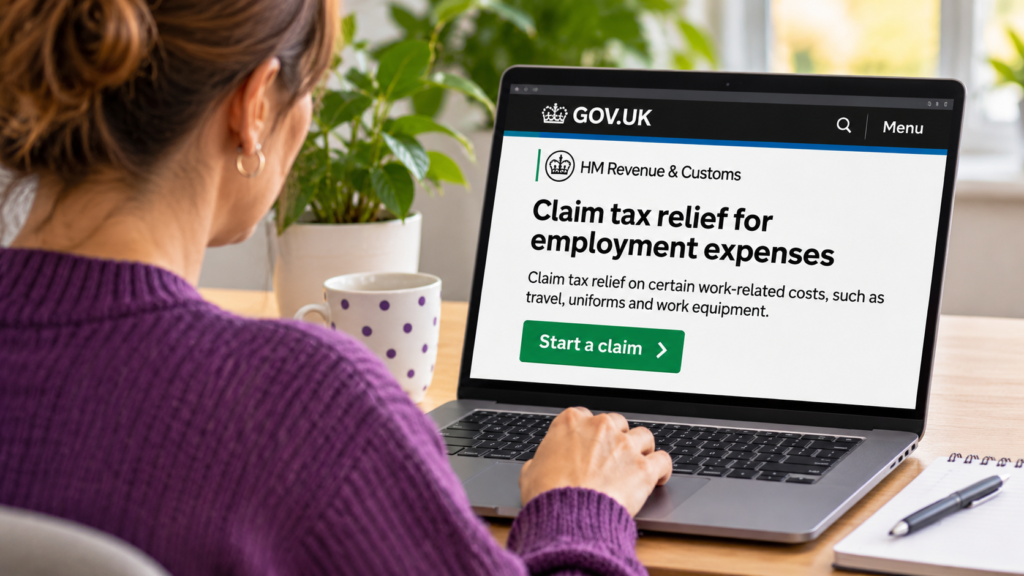
From 6th April 2028, employees will be able to claim tax relief on eligible work-related expenses through PAYE without the current £2,500 limit requiring larger claims to go through Self Assessment. The change is intended to make it easier for employees to claim relief without having to complete a tax return solely because of their employment expenses.
This guide explains what is changing, which work expenses may qualify, how the new PAYE claim route will work and what employees need to know before the change takes effect. It also looks at how tax relief is calculated and whether the change applies in Scotland.
Change at a glance
The £2,500 Self Assessment threshold for employment expense claims is being removed
More employees will be able to claim tax relief on eligible expenses through PAYE rather than registering for Self Assessment just to make a claim.
When
6th April 2028
The start of the 2028/29 tax year.
What changes
£2,500 threshold removed
The threshold for using Self Assessment solely to claim employment expenses will go.
Where
UK-wide
Including Scotland, Wales, England and Northern Ireland.
Who it affects
Employees who pay eligible work-related expenses themselves and are not fully reimbursed by their employer.
What you need to do
Nothing immediately. Keep records of eligible expenses and check HMRC guidance when the new claim process is available.
What is changing with employment expense tax relief?
At the moment, employees can usually claim tax relief through HMRC’s PAYE process if their employment expenses are £2,500 or less. If the amount they claim is above £2,500, they generally have to register for Self Assessment and submit a tax return to claim the relief.
From 6th April 2028, the government will remove that £2,500 Income Tax Self Assessment expenses threshold. Employees will be able to use the PAYE route for eligible, unreimbursed employment expenses even where the claim is above £2,500. The change is intended to remove the need for people to enter Self Assessment solely to claim employment expenses.
160,000
employees
The government estimates that around 160,000 employees could find it easier to claim tax relief.
This changes how eligible expenses can be claimed. It does not create new tax relief or make more types of spending eligible.
How does the £2,500 employment expenses limit work now?
The £2,500 figure is a threshold for the claim route, not a tax-free allowance and not a limit on how much you can spend. Under the current arrangements, employees with eligible expenses claims above this amount generally need to use Self Assessment. The new measure removes that threshold from 6th April 2028.
If you already complete a Self Assessment tax return for another reason, this announcement does not mean you can stop filing one. The change is aimed at people who need to use Self Assessment solely because their employment expense claim is above the current threshold.
Which work expenses can qualify for tax relief?
You may be able to claim tax relief when you have paid for something you must use for your job, use it only for work and your employer has not paid you back in full. The rules depend on the type of expense and the circumstances of your job.
Examples of expenses that may qualify include:
Travel in your own vehicle
Business mileage may qualify where your employer pays less than HMRC’s approved mileage amount.
Work travel and overnight stays
Necessary business travel and overnight costs may qualify if your employer has not reimbursed them.
Uniforms and protective clothing
Certain required uniforms, protective clothing and eligible laundry costs may qualify. Ordinary everyday clothing does not.
Tools and equipment
Equipment you need to carry out your job may qualify, subject to HMRC’s rules.
Professional fees and subscriptions
Membership fees for approved professional bodies or unions may qualify where the membership is relevant to your work.
Costs that generally do not qualify
- Ordinary travel between your home and your normal workplace.
- Everyday clothing, even if you only choose to wear it to work.
- Costs your employer has already reimbursed in full.
There are specific rules and exceptions, so check HMRC guidance before making a claim.
There are also separate rules for working from home. Tax relief for employees’ unreimbursed homeworking expenses was removed from 6th April 2026, although employers can still reimburse eligible homeworking costs under the relevant rules. The 2028 change does not bring that relief back.
HMRC has a guide explaining the types of job expenses that may qualify and how to make a claim.
Check which employment expenses qualify for tax relief on GOV.UK
Does claiming tax relief mean you get the full amount back?
No. Tax relief reduces the amount of Income Tax you pay. It is not normally a refund of the full amount you spent.
For example, if HMRC accepts a claim for £500 of eligible expenses and you pay Income Tax at 20%, the tax relief would be £100. If the relevant tax rate is 40%, the relief would be £200. The amount you receive depends on your tax position and the expenses HMRC accepts.
Illustrative example
£500 expenses = £100 tax relief
Assumes HMRC accepts £500 of eligible expenses and the employee pays Income Tax at 20%. This is an illustration, not a guaranteed refund.
For a current-year claim, HMRC usually adjusts your tax code so that less Income Tax is taken from your pay. For a claim relating to an earlier tax year, HMRC may adjust your tax code or issue a repayment. The new PAYE route is about how the claim is handled, not a promise that every claim will be approved.
Will HMRC still ask for evidence?
Yes. Removing the £2,500 threshold does not remove the rules about proving that an expense qualifies. The government says the reform will ensure more claims are subject to evidence before tax relief is issued.
Evidence HMRC may ask for
- Receipts or invoices showing what you paid for.
- Mileage records for business journeys in your own vehicle.
- Details of any expenses your employer has reimbursed.
The evidence needed depends on the type of expense. Some flat-rate claims have different requirements.
Keep your records as you incur expenses. Paying for something yourself, or using it in connection with your job, does not automatically make it eligible for tax relief.
Will the PAYE route become compulsory?
Not under the announcement as it currently stands. The government says it will keep under review whether employees who are completing Self Assessment solely to claim employment expenses should be required to use the PAYE route.
That is a question for future consideration, not a confirmed part of the change taking effect in April 2028. For now, the stated policy is to make PAYE available to more employees by removing the threshold.
Does the change apply in Scotland?
Yes. The reform is UK-wide and applies to employees in Scotland as well as England, Wales and Northern Ireland. It concerns the process for claiming employment expense tax relief through HMRC, rather than changing the Scottish Income Tax rates themselves.
The amount of relief you receive still depends on your own tax position. Scottish taxpayers have different Income Tax bands and rates for most non-savings and non-dividend income, so the value of a claim may differ from that of an employee elsewhere in the UK.
What should employees do before April 2028?
You do not need to make a new claim or change your payroll arrangements now. The new route is not due to start until 6th April 2028, and HMRC is expected to provide further operational guidance before then.
In the meantime, keep evidence of expenses you pay for yourself, check whether your employer offers reimbursement and use the current HMRC process if you are eligible to claim before the change takes effect. If you already file Self Assessment for other income or tax reasons, continue to meet those filing requirements.
When HMRC publishes the detailed process for claims from April 2028, this guide can be updated with the application steps and any new evidence requirements.
Frequently asked questions
Employment expense tax relief
Frequently asked questions
When can employees claim employment expenses through PAYE?
The £2,500 Self Assessment expenses threshold is due to be removed from 6th April 2028. This will allow more employees to claim eligible, unreimbursed expenses through PAYE.
What is the £2,500 employment expenses threshold?
It is the current threshold above which employees generally have to use Self Assessment to claim employment expense tax relief. It is not an allowance or a limit on how much you can spend.
Can I claim tax relief if my employer pays some of my expenses?
You can only claim on the eligible amount your employer has not reimbursed. If your employer pays you back in full, you cannot claim tax relief on that cost.
Will I get the full cost of my expenses back?
No. Tax relief is based on the amount of eligible expenses and the rate of Income Tax you pay. It is not normally a refund of the full amount spent.
Will I still need to complete a Self Assessment tax return?
You may still need to file a return for other reasons. The reform is intended to remove the need to use Self Assessment solely because your employment expense claim is above £2,500.
Will HMRC still require receipts or other evidence?
Yes. HMRC can still ask for evidence that the expense qualifies and that you paid it. The government says more claims will be subject to evidence checks before relief is issued.
Does this change apply to employees in Scotland?
Yes. The reform applies across the UK, including Scotland. The tax relief you receive still depends on your own Income Tax position.
Do I need to do anything before April 2028?
No immediate action is required. Keep records of eligible expenses and follow the existing HMRC process if you want to claim before the new arrangements begin.
Information checked on 8th November 2026. This article is general tax information based on government announcements and HMRC guidance available on that date. It is not personal tax advice. Check the latest HMRC guidance before making a claim, as the detailed arrangements may be updated before April 2028.
Related tax and money guides
HMRC mileage rates: 55p rate made permanent and higher rate rises to 35p →
Find out how approved mileage rates work when you use your own vehicle for business travel.
Stay ahead of what’s changing
Get clear updates on important UK changes, key dates and what they mean for you. Sign up to the What’s Changing UK newsletter.
Not sure which upcoming changes matter to you? Choose the topics that apply to your life and see the UK changes most relevant to you.