Scotland’s Drug-Checking Pilot Begins with a Service in Glasgow
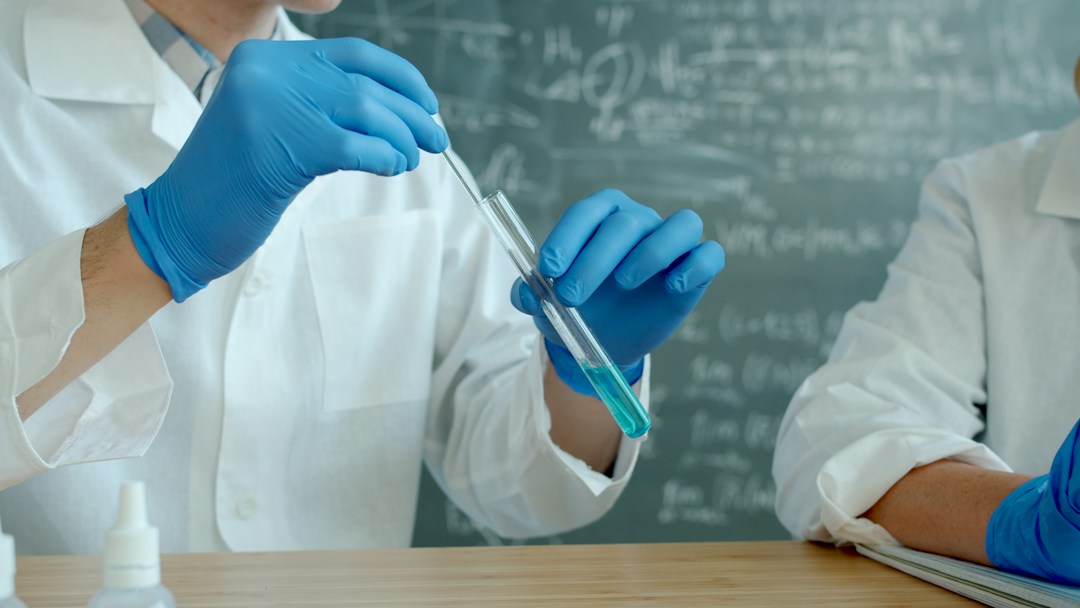
Scotland has opened its first local drug-checking service, marking a new development in the country’s response to drug-related harm. The launch brings a new type of support into a health-service setting, with testing linked to practical advice and wider support.
The service is part of a wider Scottish pilot and has prompted questions about who can use it, how it will operate and what happens next. This guide looks at the new approach and what it could mean for communities across Scotland.
The Glasgow service opened on 9th November 2026.
The first service is at 55 Hunter Street, Glasgow, G4 0UP. It is for people aged 18 or over who are dependent on one or more illicit drugs and meet the Home Office licence conditions.
People hand over a very small sample for testing. Staff explain the initial findings and offer harm-reduction advice. The sample is also sent to the national laboratory in Dundee for more detailed analysis. The service does not make drug use safe and does not return samples.
Drug-checking services are also planned for Dundee and Aberdeen. Edinburgh is working towards establishing a service. The national testing and research laboratory is already based at the University of Dundee. No opening date has yet been confirmed for the Dundee service.
Scotland’s new drug-checking service
Drug checking is a harm-reduction service. A person gives staff a small amount of a substance they use, and the service tests the sample to identify what has been found. Staff explain the initial results face to face and offer advice about possible risks and other support that may be available.
The service aims to give people better information about an unpredictable illegal drug supply. A substance sold as one drug may contain something else, may be stronger than expected or may contain contaminants. Testing can help identify unexpected or potentially dangerous substances, although it cannot detect everything or remove the risks.
The drug-checking service is separate from The Thistle, the safer drug consumption facility on the same Hunter Street site. They are two different services: one checks small drug samples, while the other provides a supervised place for people to consume drugs.
Location and opening hours in Glasgow
Glasgow Drug Checking Service
Address: Hunter Street Health and Care Centre, 55 Hunter Street, Glasgow, G4 0UP
Opening hours: Monday to Friday, 9.30am to 5pm
Last sample accepted: 4pm
Results: Initial results are given in person when you return to the service
The service is accessed through the main reception at Hunter Street Health and Care Centre. Glasgow City Health and Social Care Partnership advises visitors to use the door on the right-hand side at the bottom of the ramp and tell reception staff they want the Drug Checking Service. Visitors will be asked to wait until a member of the team is available.
Samples must be handed in by 4pm to give staff time to carry out the initial checks and provide the results. Check the Glasgow service information before travelling in case arrangements change.
Eligibility for the Glasgow service
Eligibility is restricted. The service is not a general drug-testing facility for anyone who wants to check a substance. Home Office licence conditions restrict access to people aged 18 or over who are dependent on one or more illicit drugs. The Glasgow service asks people to confirm that they are over 18 and are dependent on one or more illicit drugs. It cannot accept a sample if someone is unable to confirm this.
Access is voluntary. Glasgow City Health and Social Care Partnership describes the service as confidential and non-judgemental. Staff may ask questions about the person and the sample so they can provide relevant information and advice.
Substances accepted for testing
The Glasgow service accepts small samples in four forms:
The service says it only needs a trace amount, around the size of a grain of rice, for the initial test. Samples can be wrapped before arrival, for example in foil or clingfilm. Do not take a larger amount than is needed. If you are unsure whether a particular substance or form can be accepted, contact the service before visiting.
How the sample testing process works
The process has four stages:
Attend the Glasgow service, speak to a member of staff and hand over a small sample. Staff ask some questions and place it in a security bag.
The local team carries out the initial checks on the sample.
You return to the service in person. Staff explain the initial results and provide harm-reduction advice.
The sample is also sent to the national laboratory in Dundee for more detailed analysis, with results available later.
Staff can also discuss other health, treatment, care and recovery support if you want to hear about it.
Samples are not returned. Once a sample has been submitted for testing, it cannot be collected back.
Drug-checking results and their limitations
A test result is not a safety guarantee. Drug checking can identify substances found in the sample and may highlight unexpected ingredients, contaminants or strength-related concerns. However, a test result cannot confirm that a substance is safe to take.
No test can identify every possible substance in a sample. The result only applies to the material handed in, not to another sample, even if it looks the same or came from the same source.
The results are information about the sample, not a safety approval. Staff explain what has been found and discuss ways to reduce harm.
The national testing laboratory at the University of Dundee
After the initial local check, samples are also sent to the national testing and research laboratory hosted by the University of Dundee’s Leverhulme Research Centre for Forensic Science. The laboratory can carry out more complete analysis than is available at the local service. Those more detailed results are available later, rather than at the same time as the initial face-to-face result.
The laboratory has a wider public-health role as well as supporting the individual services. Information from the samples will help build a picture of substances circulating in Scotland, including new or changing drug trends. That intelligence can feed into national early-warning systems and help health services respond to emerging risks.
The laboratory is not a public walk-in drug-checking service. Samples are submitted through local drug-checking services, rather than taken directly to the university. The planned Dundee facility is a separate local service.
Planned drug-checking services across Scotland
Glasgow is the first local service to open. The Scottish Government says local services in Dundee and Aberdeen are expected to follow in the coming months. Edinburgh is also working towards establishing a site. At the time this article was checked, no confirmed opening date had been given for the Dundee service.
The planned Dundee facility will be a local service where eligible people can submit samples. It is separate from the University of Dundee laboratory, which provides specialist analysis and supports the national pilot. The Dundee service will publish its own opening date and access arrangements when these are confirmed.
Funding for the national drug-checking pilot
The Scottish Government says the pilot, including the local services and the national testing and research laboratory, is backed by more than £1.7 million in funding. The pilot will be independently evaluated. The aim is to assess how local drug checking can operate in Scotland and how the information gathered can support efforts to reduce drug-related harm and deaths.
Drug checking as part of wider harm-reduction support
People using the service can speak to staff about their health and wellbeing, treatment, care and recovery options. Glasgow’s service information also refers to harm-reduction support such as naloxone and injecting equipment provision. Staff can explain what is available and help someone find a service that is appropriate to their circumstances.
If someone is seriously unwell, unconscious, having difficulty breathing or may be experiencing an overdose, call 999. Do not wait for a drug-checking appointment or result.
Frequently asked questions about Scotland’s drug-checking service
Practical answers about eligibility, sample testing, opening hours and the planned Dundee service.
When did Scotland’s first drug-checking service open?
The first local service opened in Glasgow on 9th November 2026.
Where is the Glasgow drug-checking service?
It is at Hunter Street Health and Care Centre, 55 Hunter Street, Glasgow, G4 0UP.
What are the Glasgow service’s opening hours?
The service is listed as open Monday to Friday, 9.30am to 5pm. The last samples are accepted at 4pm.
Can anyone take a drug sample to be tested?
No. The service is restricted by Home Office licence conditions to adults aged 18 or over who are dependent on one or more illicit drugs. The Glasgow service asks people to confirm they are over 18 and are dependent on one or more illicit drugs.
Can someone use the service to test recreational drugs?
It is not intended as a general testing service for recreational drug use. Access is limited by the Home Office licence conditions.
What types of samples can the Glasgow service accept?
The service lists powders, tablets or capsules, papers and liquids. Contact the team first if you are unsure whether a particular sample can be accepted.
How much of a substance is needed?
The service says it needs only a trace amount, around the size of a grain of rice, for the initial test.
Will the sample be returned?
No. The service cannot return any drug once it has been handed in for testing.
How will someone receive their results?
The Glasgow service says people must return in person to receive their initial results and harm-reduction advice. More detailed laboratory results become available later.
Is the drug-checking service confidential?
Glasgow City Health and Social Care Partnership describes it as a confidential, non-judgemental service. Its published information does not describe it as anonymous, so do not assume that no information will be requested.
Does a test result mean a drug is safe?
No. Testing cannot identify every possible substance or remove the risks. Results provide information and are explained alongside harm-reduction advice.
Why are samples sent to Dundee?
The University of Dundee’s Leverhulme Research Centre for Forensic Science hosts the national testing and research laboratory. It carries out more detailed analysis and helps build intelligence about substances circulating in Scotland.
Can people take samples directly to the University of Dundee?
No public walk-in service at the university has been announced. The laboratory receives samples through the local drug-checking services. A separate local service is planned for Dundee.
When will the Dundee drug-checking service open?
The Scottish Government says a Dundee service will follow in the coming months, but it had not confirmed an opening date when this article was checked.
Are services also planned for Aberdeen and Edinburgh?
A local service in Aberdeen is expected to follow in the coming months. Edinburgh is also working towards establishing a site, but no opening date has been confirmed.
What should someone do in a drug-related emergency?
Call 999 if someone is seriously unwell, unconscious, having difficulty breathing or may be experiencing an overdose. Do not wait for a drug-checking result.
The official guidance and supporting information used to check the opening date, eligibility, Glasgow address and service arrangements.
The announcement confirming the opening of Scotland’s first local drug-checking service, including the national pilot and planned locations.
Practical information about the Glasgow service, including where to find it, how to access it and the arrangements for submitting samples.
Further answers about who can use the service, the types of samples accepted and what happens during testing.
Public health information on drug-checking indicators and the wider monitoring of substances in Scotland.
Information note: This article explains the Scottish drug-checking pilot and the published arrangements for the Glasgow service. Opening hours, eligibility and local arrangements may change. Check the service’s own information before travelling. Drug checking cannot make drug use safe and is not a substitute for emergency medical help.