Clocks Go Back on 25th October 2026

The clocks go back on Sunday 25th October 2026, when the UK moves from British Summer Time (BST) to Greenwich Mean Time (GMT). The time changes from 2am to 1am, giving the night an extra hour.
Clocks go back on 25th October 2026
In 2026, the clocks go back on Sunday 25th October. The change happens at 2am British Summer Time (BST). At that point, the UK moves back one hour to 1am Greenwich Mean Time (GMT).
What time do the clocks go back?
This is the bit that causes most of the confusion. At 1am, the night is still running on British Summer Time. When the clock reaches 2am BST, it is put back to 1am GMT.
So there are effectively two separate periods labelled 1am to 2am. The first is 1am to 2am BST. After the clocks go back, the second is 1am to 2am GMT.
In practical terms, that gives you an extra hour during the night. A night that would normally be eight hours long becomes nine hours long by the clock.

Do you gain or lose an hour?
You gain an hour when the clocks go back.
That is why you may hear people talking about getting an “extra hour in bed”. It is a real extra hour in the timetable, although whether you actually spend it sleeping is another matter. Some people use it to lie in, while others are awake as usual and simply notice that the morning arrives according to a different clock.
It is the opposite of what happens in spring, when the clocks move forward and an hour is lost.
Why do the clocks change?
The clock change is intended to make better use of daylight across the year. In summer, moving the clocks forward gives us more daylight in the evening. In winter, the UK returns to GMT, putting daylight earlier in the morning.
What is the difference between BST and GMT?
In winter, the UK uses GMT. During summer, BST is one hour ahead.
You may also hear the autumn change described as the end of “Daylight Saving Time”, but in the UK the summer period is called British Summer Time.
Do the clocks go back across the whole UK?
Yes. The seasonal clock change applies across the UK, including Scotland, England, Wales and Northern Ireland.
Will my phone and other devices change automatically?
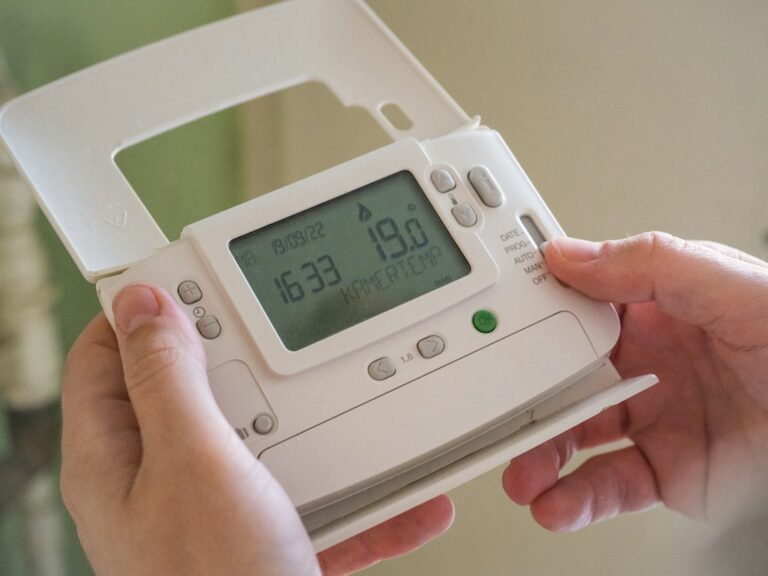
Many modern devices can change the time automatically. Phones, computers, smart watches and other connected devices will usually update when their date, time and time-zone settings are configured correctly.
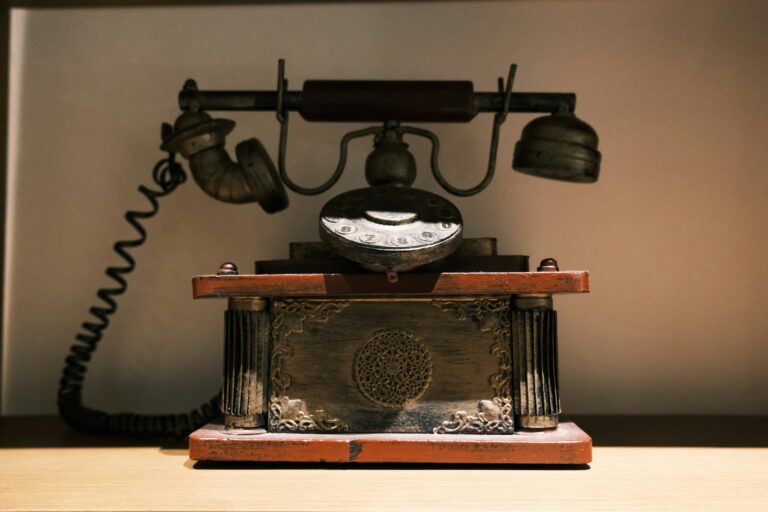
There are still plenty of clocks that need a human to intervene. Analogue alarm clocks, wall clocks, watches, cooker clocks, microwave clocks and car clocks are common examples.
Smart speakers, televisions and other connected equipment can also depend on their own settings or an internet connection, so it is sensible to glance at anything that matters rather than assuming every device will change itself.
There is no need to change every device manually just because the clocks are going back. The useful question is whether that particular clock gets its time automatically or relies on you to set it.
Sponsored: We may earn a commission if you sign up or use this link, at no extra cost to you.
What about alarms?
Check that your phone alarm is set for the intended local time, especially if you need to get up for work or travel.
If you use a traditional alarm clock, set it back one hour before going to bed.
What about work, night shifts and overnight journeys?
The repeated hour matters most to people who are awake during the clock change. That can include people working night shifts, driving overnight or travelling during the early hours.
For a scheduled journey or overnight event, check the operator’s or organiser’s instructions rather than assuming how the repeated hour will be handled. The clock change creates a genuine extra hour in the night, so the local timetable can matter.
If your shift covers the clock change, check with your employer how the repeated hour will be handled and recorded. ACAS has guidance on working-time rules for night workers.
What about trains, buses and flights?
If you are travelling overnight, particularly on a service departing or arriving around the clock change, check the operator’s latest timetable or travel information.
What about appointments and scheduled events?
Your calendar should normally handle the clock change correctly when it is using the correct date and time-zone settings. Even so, it is worth checking important appointments, bookings, reminders and other time-sensitive plans around the weekend.
The main thing to remember is that the change happens in the early hours of Sunday morning, so an appointment later on Sunday will be based on the new GMT time.
Sponsored: We may earn a commission if you sign up or use this link, at no extra cost to you.
Does the clock change affect sleep?
You get an extra hour by the clock, but your body may not adjust instantly. Keeping your usual bedtime and wake-up routine can make the change easier.
When do the clocks go forward again?
After the clocks go back on 25th October 2026, the UK remains on Greenwich Mean Time through the winter.
The clocks next go forward on Sunday 28th March 2027, when British Summer Time begins again. The clocks will move forward by one hour.
See the key dates and changes happening across the UK in October.
This article reflects the official clock-change timetable available when it was checked. For a specific journey, work shift or time-sensitive arrangement, check the current information from the relevant operator, employer or organiser.