What’s Changing in October 2026? Key UK Changes and Dates


October brings a mix of changes to bills, workplace rules, shopping, housing and driving. This roundup gives you the essentials, with links to our dedicated guides for the changes we have covered in depth. Some rules apply only in one UK nation or to particular groups, so check the location and eligibility before acting.
October 2026 at a glance
The main changes this month
Find the changes relevant to you, then open a full guide for the detail.
HOUSEHOLD BILLS
Electricity VAT is 0%
From 1 October · Great Britain · Households paying for electricity. The temporary 0% rate runs until 31 March 2027.
WORK
Employment rules change
From 1 and 30 October · Great Britain · Workers, employers and people with tribunal claims. Dates and exceptions matter.
SHOPPING
Some promotions are restricted
From 1 October · Scotland · Shoppers and qualifying larger retailers. Some deals and prominent placements are restricted.
TAX & TRANSPORT
New duties and driving rules
Tobacco and vaping duty changes begin, alongside new driving rules in Northern Ireland.
First, check where a change applies
This guide separates UK-wide and Great Britain changes from rules specific to England, Scotland, Wales or Northern Ireland. A change appearing in a UK roundup does not automatically apply to every reader.
Money and Household Bills
Electricity VAT falls and the energy price cap rises
From 1 October
0% VAT
Temporary zero-rate VAT on qualifying domestic electricity supplies in England, Scotland and Wales, until 31 March 2027.
October to December
£1,723
Annualised price-cap figure for a typical dual-fuel household paying by Direct Debit in Great Britain. It is not a fixed bill or a limit on total usage.
From 1 October, qualifying domestic electricity supplies in Great Britain move temporarily from 5% VAT to 0%, until 31 March 2027. The saving depends on household electricity use and does not apply to Northern Ireland.
Ofgem’s price cap for October to December also rises by 4% for a typical direct-debit household. The cap limits unit rates and standing charges on default tariffs, not the total bill. Actual costs depend on usage, region and payment method, so check Ofgem’s current rates for your area.
What should you do?
You do not need to apply for the VAT reduction. Check your next bill to make sure the electricity VAT treatment is correct, and compare your tariff rather than assuming the price cap is the cheapest deal.
Check Ofgem’s official October to December 2026 rates · Read the government’s VAT announcement.
Work and Employment
Work and employment: October deadlines
1 OCTOBER
More time for many tribunal claims
The time limit for many Employment Tribunal claims increases from three months to six months. There are exceptions and special rules, so check the deadline for the specific claim.
30 OCTOBER
New employer duties
Further trade union measures and stronger duties to prevent sexual harassment, including third-party harassment protections, are due to take effect.
From 1 October, the time limit for many Employment Tribunal claims rises from three to six months. In Scotland, the change for breach of contract claims is scheduled for 9 November. Exceptions apply, so check the deadline for your specific claim promptly.
Further employment measures are scheduled for 30 October, including stronger duties on employers to prevent sexual harassment and new trade union protections. Employers should check the latest official timetable and review relevant workplace policies before the commencement date.
The wider Employment Rights Act programme is being introduced in stages. For example, the planned change to the unfair-dismissal qualifying period is scheduled for January 2027, not October.
Check the government’s latest implementation timetable.
RIGHT TO WORK · FROM 1 OCTOBER · UK
Digital right to work checks get a regulated route
Employers choosing a digital verification provider must use one registered for right to work checks. Manual and Home Office online checks remain available, so this is not a requirement to make every check digital.
Shopping and Everyday Costs
Tobacco and vaping duty changes
TOBACCO
Duty rises
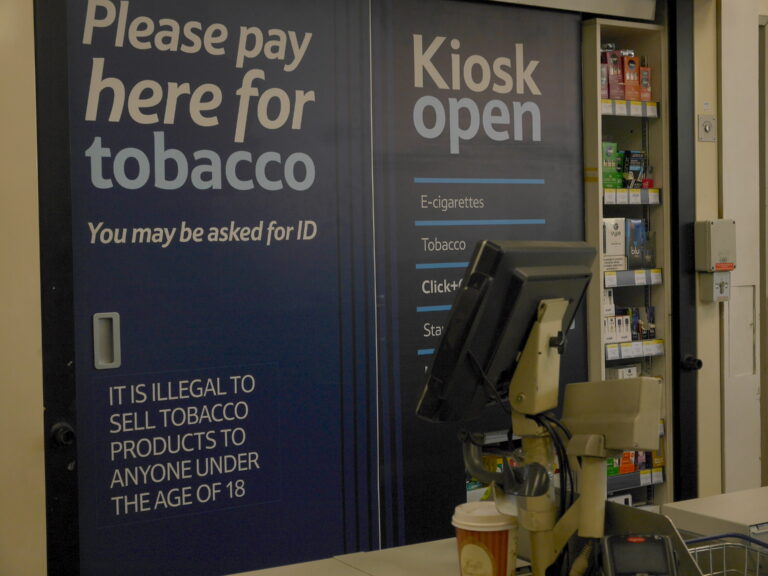
Higher tobacco duty applies from 1 October 2026. Retail prices may change, but the shelf price is set by the retailer.
VAPING PRODUCTS
£2.20 per 10ml
The new excise duty applies to vaping liquid, including qualifying liquids without nicotine, from 1 October.
Tobacco duty rises from 1 October. The impact on shop prices depends on the product and retailer; see HMRC’s rate table and our guide for the detail.
Vaping Products Duty starts on 1 October at £2.20 per 10ml of qualifying vaping liquid, including some liquids without nicotine. Transitional rules apply to stock, and the effect on retail prices will vary. Our full guide explains the details.
HMRC: tobacco duty rates · HMRC: Vaping Products Duty.
Scotland’s food promotion rules
Scotland · from 1 October
Some multi-buy deals and prominent placements are restricted
Qualifying retailers with 50 or more employees face restrictions on specified prepacked foods and drinks classified as less healthy. The rules cover certain promotions in-store and online, as well as prominent locations such as checkouts and aisle ends.
Scotland’s Food (Promotion and Placement) Regulations 2025 take effect on 1 October 2026. For certain products classed as less healthy, larger retailers covered by the rules cannot offer some multi-buy deals or put those products in prominent places, such as shop entrances, aisle ends and checkouts. The rules also restrict some free refills of soft drinks with added sugar.
This is not a ban on sweets, crisps, biscuits or sugary drinks. The products remain available, and the rules apply only to specified products and qualifying businesses, with exemptions. Meal deals and alcohol promotions are not covered by these Scottish regulations. You may notice changes to where products are displayed or which multi-buy offers are available.
Find out which products and promotions are covered, where restrictions apply and what shoppers may notice.
Read the Scottish Government’s official guidance.
Wales alcohol minimum price increases
Wales · from 1 October
65p per unit
The minimum unit price increased from 50p to 65p. The legal floor applies to alcohol sold in Wales, not to all UK alcohol prices.
Wales increased its minimum unit price for alcohol from 50p to 65p on 1 October 2026. This means alcohol cannot legally be sold below the applicable minimum price per unit in Wales. The effect depends on a drink’s strength and volume, so cheaper high-strength products may see a more noticeable change than drinks already sold above the legal minimum.
The rule is specific to Wales. It does not mean every drink automatically rises by the same amount, and it does not set a maximum retail price.
See worked examples for vodka, wine, lager and cider, how the formula works and which drinks may cost more.
Home, Renting and Housing
Right to Rent guidance in England
A revised statutory code for Right to Rent checks comes into force on 1 October. The scheme applies in England and requires landlords or agents to check the right to rent of all adult occupiers before a tenancy begins, regardless of nationality. The updated guidance covers digital checks, eVisas and the use of registered digital verification service providers.
The new code also reinforces the need to apply checks consistently and avoid unlawful discrimination. It applies to relevant checks and follow-up checks carried out from 1 October; it is not a new UK-wide renting rule. If you rent in Scotland, Wales or Northern Ireland, this England-only scheme does not apply to your tenancy.
Read the Home Office guidance on checking whether an adult tenant has the right to rent a home in England.
See the official Home Office Right to Rent code for the full rules and exceptions.
Social housing standards in England
Revised consumer standards for social housing providers in England take effect on 1 October, with transition periods for some requirements. They cover areas including transparency, accountability, competence and conduct.
Under the Social Tenant Access to Information Requirements (STAIRs), private registered providers must proactively publish specified information from 1 October 2026. The separate requirement to respond to individual information requests is scheduled for April 2027. These changes concern social landlords and tenants in England, rather than all UK renters.
Read the Regulator of Social Housing’s explanation.
Employment and careers support in England
The government’s Jobs and Careers Service programme is intended to bring Jobcentre Plus and the National Careers Service closer together in England, joining up employment, skills and careers support. The rollout is part of a wider programme, so the precise service a person can access may depend on local implementation.
This is not a single UK-wide careers service. Scotland, Wales and Northern Ireland have their own arrangements for careers and skills support. If you need help finding work or training, check the current service available in your area rather than assuming that all local services have changed at once.
Read the government’s Jobs and Careers Service update.
Driving and Other Changes
Northern Ireland’s graduated driver licensing
Northern Ireland · from 1 October
New training and restrictions for affected learner and newly qualified drivers
The new scheme applies according to the date a learner’s provisional entitlement begins, with transitional arrangements for some existing learners.
Northern Ireland’s Graduated Driver Licensing scheme launched on 1 October 2026. Learners whose provisional entitlement begins on or after that date are brought into the new system, including a structured training programme and logbook, and generally a minimum six-month learning period before the practical test.
For newly qualified drivers covered by the scheme, the rules include displaying the new blue R plates for two years. During the first six months, additional restrictions apply to some drivers under 24, including limits on certain young passengers at night. There are transitional arrangements for some learners who already held a provisional licence before 1 October, so do not assume every learner is immediately under the same rules.
Read nidirect’s Graduated Driver Licensing guidance before booking a test or planning your training.
Immigration Rules changes during October
Amendments to the Immigration Rules take effect on 8 October, with further provisions scheduled for 29 October. The changes affect particular immigration routes rather than everyone who lives in or visits the UK. The relevant details and transitional arrangements depend on the type of application and when it was made.
If you have a pending or planned visa, settlement, family, student or work application, check the precise rule for your route and the date it applies. A general summary is not a substitute for checking the official rules or getting qualified immigration advice where needed.
Read the official October 2026 Immigration Rules changes.
Supported housing earnings rules
From 5 October, new rules change how earnings affect more than 325,000 people living in supported housing and temporary accommodation. The government says the change is intended to reduce the sharp loss of income that some residents faced when taking a job or increasing their hours.
The details depend on the accommodation and benefits involved. If you live in supported housing or temporary accommodation and are considering work or more hours, ask your provider or benefits adviser how the new rules apply to your circumstances.
Read the government’s announcement about supported housing and earnings.
Scotland’s wrongful-termination payments
From 6 October 2026, the payment available under Scotland’s wrongful-termination rules increases in qualifying cases. The rules can apply where a landlord has misled a tenant or the First-tier Tribunal in circumstances covered by the legislation. This is a Scottish private-renting change, not a UK-wide rule, and eligibility depends on the circumstances and evidence.
Check the location before acting
| Change | Where | Who should check it? |
|---|---|---|
| Electricity VAT reduction | Great Britain | Households paying for electricity |
| Employment rights timetable | Great Britain; Northern Ireland has separate employment law | Workers and employers |
| Food promotion restrictions | Scotland | Shoppers and qualifying retailers |
| Alcohol minimum price rises to 65p | Wales | People buying alcohol in Wales |
| Right to Rent code | England | Landlords, agents and prospective tenants |
| Graduated Driver Licensing | Northern Ireland | Affected learner and newly qualified drivers |
| Wrongful-termination payments | Scotland | Private tenants in qualifying cases |
What should you do now?
If you pay household bills
Check your electricity bill reflects the temporary VAT change, and compare your tariff against current options.
If you employ people
Review the 30 October harassment and trade union duties and make sure staff know how to raise concerns.
If a rule affects your situation
Open the official guidance linked in the relevant section. Check the date, location and any exemptions before acting.
Not necessarily. Electricity VAT is temporarily reduced for qualifying domestic supplies in Great Britain, but the energy price cap also rises. Your bill depends on your usage, tariff and payment method.
Where can I see changes that affect me personally?
Use our What Affects Me? tool to find changes by personal circumstances, then open the full guides for the details. You can also browse all UK changes by date.
Stay up to date
Know what’s changing before it catches you out
Explore the individual guides for the details that matter to your household, work or business.
Official sources and further information
- Ofgem: Energy price cap, October to December 2026
- GOV.UK: Temporary electricity VAT reduction
- GOV.UK: Employment Rights Act timetable
- HMRC: Tobacco duty changes
- HMRC: Vaping Products Duty
- Scottish Government: Food promotion rules
- Home Office: Right to Rent code
- nidirect: Graduated Driver Licensing
Last fact-checked: 12th October 2026. This roundup was last reviewed on 12th October 2026 against published official information. It is general information, not legal, tax, immigration or financial advice. Dates and implementation details can change, so follow the linked official guidance before acting. Dates and implementation details can change. Follow the official links for the latest rules relevant to your circumstances.