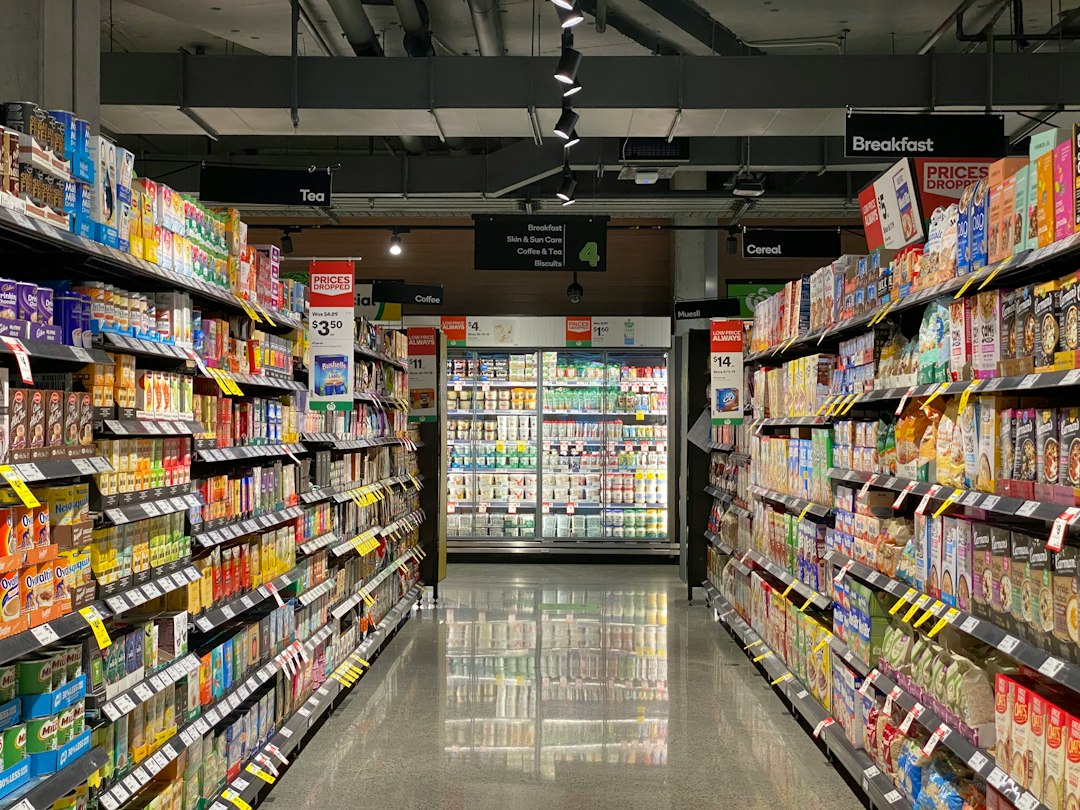
High-Fat, High-Sugar and High-Salt Food Promotions Restricted in Scotland From 1st October 2026
From 1st October 2026, new food promotion rules will restrict how certain foods and drinks that are high in fat, sugar or salt are promoted and displayed in Scotland. The changes will affect some familiar offers and displays in larger shops, as well as certain online promotions, although they will not stop people from buying the affected foods.
The rules come from the Food (Promotion and Placement) (Scotland) Regulations 2025 and are intended to make healthier choices easier by reducing the prominence of some less healthy food and drink. Similar restrictions already operate in England and Wales, so this is not a new UK-wide change taking effect on 1st October 2026.
LAST CHECKED: 29 September 2026
Change takes effect: 1st October 2026
Where: Scotland
What changes: Restrictions on certain promotions and prominent displays of specified less healthy food and drink
Are the foods being banned? No
Food Promotion Rules Scotland – What is changing?
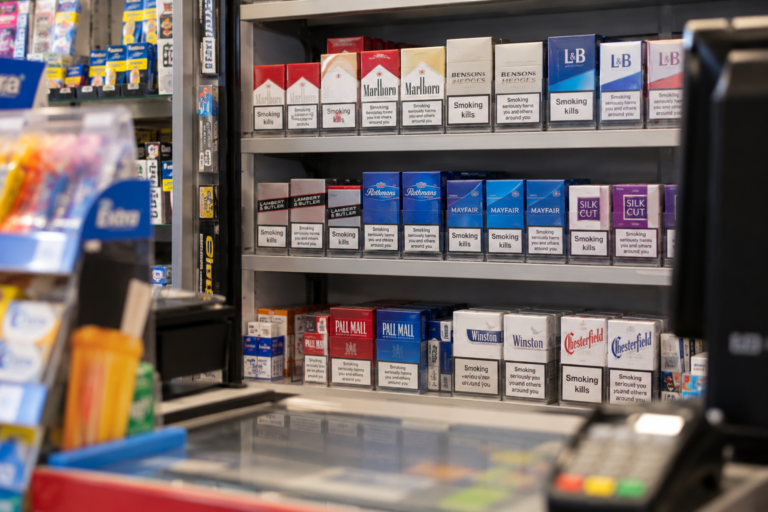
From 1 October, qualifying businesses in Scotland will have to change how some less healthy food and drink is promoted. In larger shops, specified products will no longer be allowed in certain prominent positions such as near checkouts, at the ends of aisles and in some areas around shop entrances. Similar restrictions apply to certain prominent positions online.
Some multi-buy and similar promotions will also be restricted. This includes offers such as “3 for 2”, “2 for £10”, “buy one get one free” and other promotions where buying several products gives the customer a financial or quantity-related benefit. Some businesses will also be restricted from offering free refills of drinks with added sugar.
Which foods are covered?
The rules are often described as restrictions on HFSS food. HFSS simply means high in fat, sugar or salt, but the Scottish rules do not apply automatically to every food that could be described in those terms.
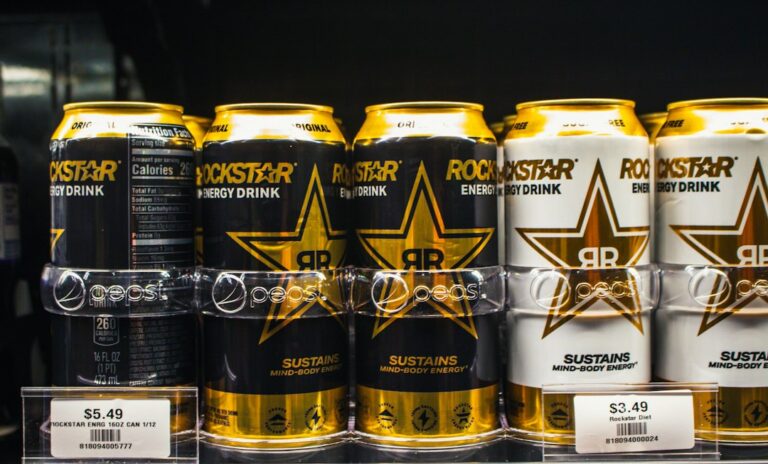
The regulations cover specified prepacked food and drink within particular categories where the product meets the relevant less-healthy criteria. Examples include some confectionery, cakes, biscuits, crisps and soft drinks with added sugar. Not every product in one of those broad categories is automatically covered, so the individual product and the detailed rules matter.
The restrictions generally concern food that is already packaged before it is offered for sale. Loose food and food made and packed in the shop are generally outside the main promotion and placement restrictions, although separate rules apply to some free refills of sugar-sweetened drinks.
Will sweets, crisps and cakes be banned?
No. The new rules do not ban sweets, crisps, cakes, biscuits or other affected products. You will still be able to buy them.
What changes is how qualifying businesses can promote and display some of those products. A packet of crisps that used to be placed at the end of a supermarket aisle could have to move elsewhere, for example, while a restricted multi-buy offer may no longer be available.
Sponsored
Looking for a different kind of snack?
With Scotland changing how certain less healthy foods can be promoted, this is an opportunity to discover MORiSH snacks, which are marketed as nutritious options with protein, fibre and naturally occurring vitamins and minerals.
Advertising. What’s Changing UK may earn a commission if you purchase through this link.
What happens to multi-buy offers?
This is likely to be one of the more noticeable changes for shoppers. Businesses covered by the rules will not be able to use certain volume price promotions for specified food. Examples include “3 for the price of 2”, “3 for £10”, “buy one get one free” and “50% extra free”.
These are examples rather than a complete legal list. The important point is that the regulations target particular types of multi-buy or free-product promotion, rather than banning every discount.
Can shops still reduce prices?
Yes. A straightforward reduction in the price of an individual product is different from a restricted volume promotion. The Scottish Government’s guidance states that temporary price reductions are not restricted by these particular rules.
So a shop can still reduce the price of an individual product, provided the promotion complies with the other requirements that apply. The regulations do not set the retail prices that shops must charge.
Will meal deals still be available?
Yes. Genuine meal deals are not prohibited by these regulations. The Scottish rules distinguish meal deals from the types of volume promotion being restricted.
That means shoppers should not expect ordinary meal deals to disappear simply because the new rules have started, although individual offers still need to comply with the rules that apply to them.
Where will affected products no longer be displayed?
The location restrictions mainly affect larger stores. They apply to stores with a relevant floor area of at least 185.8 square metres, or 2,000 square feet, subject to the detailed rules and exceptions.
Specified food can be restricted from prominent locations including certain areas around shop entrances, checkouts, designated queuing areas and aisle ends. The legislation contains detailed definitions and exceptions, so this does not mean that every product within a simple fixed distance of every checkout is automatically prohibited.
For shoppers, the practical effect should be easier to see than the legal wording suggests: some products that are currently positioned to catch your attention as you enter a shop, walk around it or wait to pay may simply have to be moved.
What about online shopping?
The changes are not limited to physical shops. Qualifying businesses selling relevant food online will also have restrictions on certain prominent online locations and promotional placements.
Depending on the circumstances, that can include prominent positions such as a homepage, favourites area or checkout page. The rules also cover certain ways of promoting specified food while a customer is browsing or searching for other products.
This does not mean that affected products will disappear from supermarket websites or apps. The change is about how prominently they can be promoted and displayed.
Which businesses are affected?
The main promotion and placement restrictions apply to qualifying businesses with 50 or more employees, subject to the detailed definitions and exemptions in the regulations. The employee threshold is assessed for the business as a whole rather than simply counting staff who work in Scotland.
This can include supermarkets and online food retailers, but also some businesses that are not primarily thought of as food shops, such as department stores, pharmacies, petrol stations and garden centres, where the relevant conditions are met.
Smaller businesses with fewer than 50 employees are generally outside the main volume-price and location restrictions, although the exact legal position depends on the business and the particular requirement.
What about cafés, restaurants and takeaways?
Restaurants, cafés, coffee shops, fast-food businesses and takeaways are treated differently from retailers under these regulations. They are generally exempt from most of the promotion and placement restrictions, even where they sell relevant prepacked food.
There is an important exception concerning free refills of sugar-sweetened drinks, so businesses in the out-of-home sector should not assume that every part of the regulations is irrelevant to them.
What about free refills?
Some businesses will no longer be able to offer free refills of sugar-sweetened drinks in circumstances covered by the rules. This is a separate restriction from the main rules on the promotion and placement of prepacked food in shops.
Are alcohol promotions affected?
No. Alcohol promotions are not covered by these particular Scottish food promotion and placement regulations.
Will food prices go up?
The regulations do not set the prices that retailers must charge. They restrict particular ways of promoting products, especially certain multi-buy and volume offers.
That means shoppers may lose some opportunities to save money by buying several products together, but it would be wrong to say that the new rules automatically mean the affected foods will become more expensive. Retailers continue to set their own prices within the wider rules that apply to them.
Why are these rules being introduced?
The Scottish Government says the purpose of the regulations is to make healthier choices easier. Its policy material points to research suggesting that prominent displays and special offers can encourage people to buy food and drink they had not planned to buy, or to buy more than they intended.
The policy is therefore intended to reduce some of those prompts around the point where people make purchasing decisions. That is the stated policy aim; the regulations themselves simply set out the restrictions on particular foods, promotions and locations.
Sponsored
Want to keep a closer eye on what you eat?
As the rules change how some less healthy foods are promoted, some readers may also be interested in tools that make it easier to keep track of calories and food intake.
Advertising. What’s Changing UK may earn a commission if you purchase through this link.
Does this apply across the UK?
No. The change taking effect on 1st October 2026 is specifically the Scottish change.
England already has similar restrictions on the promotion of less healthy food and drink by location and by volume price. The location rules took effect on 1 October 2022, while the volume price restrictions took effect on 1 October 2025.
Wales introduced similar promotion and placement restrictions on 26 March 2026. The Welsh rules are broadly similar but are not identical to the Scottish regulations.
Northern Ireland is at a different stage. The UK Government and Food Standards Agency published a consultation in July 2026 on proposed restrictions there. Check the latest Northern Ireland position before relying on this information, as proposals can change.
So someone living in England or Wales may already be subject to similar rules, while someone in Northern Ireland should not assume that the Scottish timetable applies to them.
What is not changing?
The new rules do not ban the affected foods, and they do not ban every discount or special offer. Genuine meal deals remain possible, and alcohol promotions are outside these particular regulations.
They also do not apply identically to every business. The exact requirements depend on the product, the type and size of the business and the circumstances of the promotion or display.
The change in plain English
From 1st October 2026, Scotland will restrict how qualifying businesses can promote and prominently display certain specified less healthy prepacked foods and drinks.
For shoppers, that means some multi-buy offers will disappear, some products will move away from prominent positions in larger shops and some online promotions will change. The products themselves are not being banned, and ordinary individual price reductions and genuine meal deals can still be offered.
Information checked
Last checked: 29 September 2026
This article has been checked against the Scottish Government’s latest published information, the Food (Promotion and Placement) (Scotland) Regulations 2025 and the Scottish Government implementation guidance. The position elsewhere in the UK has also been checked against current government information.
The detailed rules contain definitions, exemptions and exceptions, so whether a particular product, promotion or business is covered can depend on the circumstances.
A note about this information
This article is intended as general information and reflects the official information available when it was checked. It is not legal, regulatory or nutritional advice. Businesses that need to establish whether a particular product, promotion or business is covered should refer to the official guidance and legislation and seek appropriate advice where necessary.