New Rules Will Block More Scam Texts From 18th January 2027
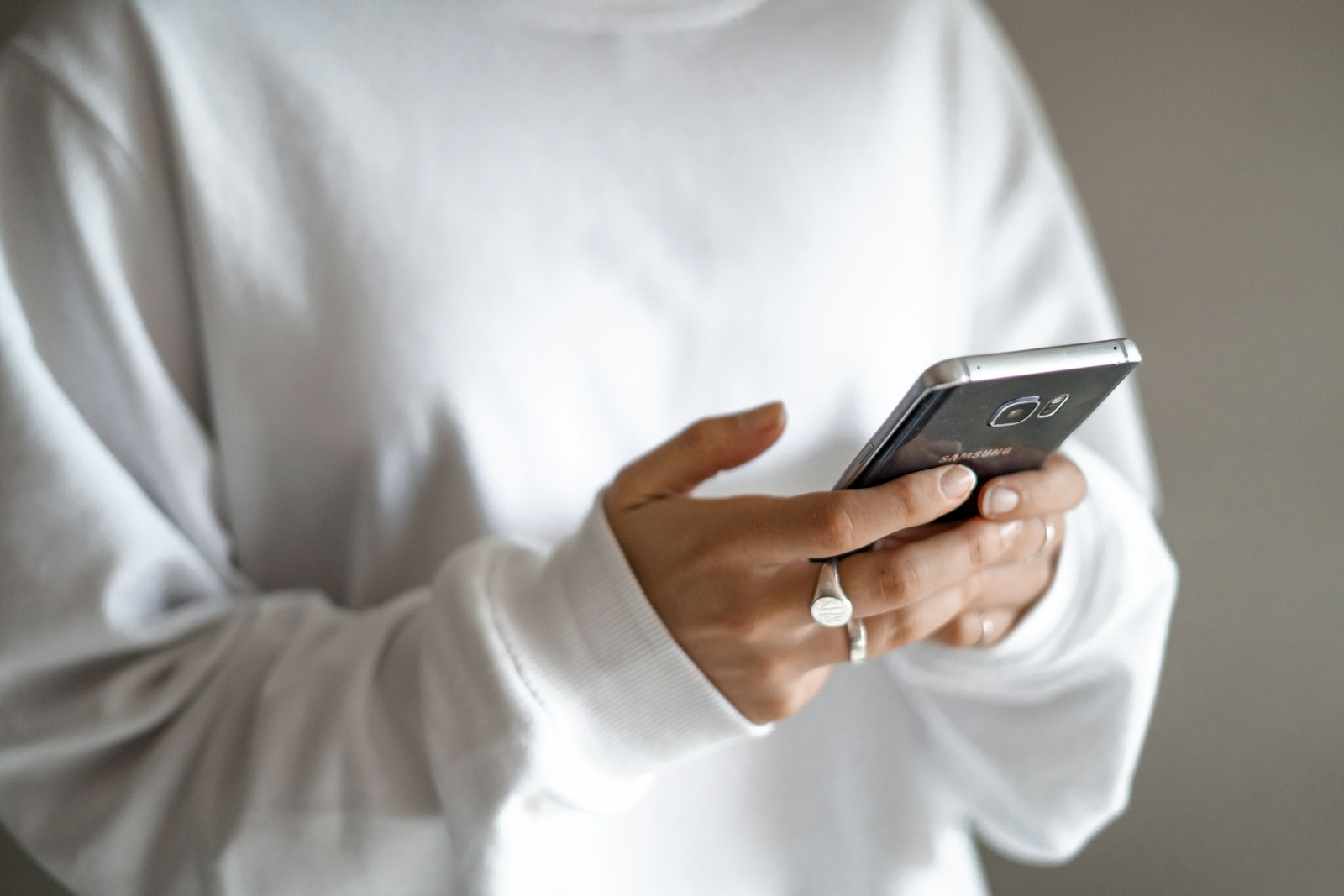
Mobile networks will face new rules to stop more scam texts reaching people in the UK. From 18th January 2027, providers must block numbers identified as being used for scams, detect and block messages containing reported fraudulent links or phone numbers, and limit the number of messages that can be sent from pay-as-you-go SIMs. A second set of protections for texts sent by businesses starts on 15th July 2027.
Change at a glance
New rules will block more scam texts from January 2027
Mobile networks must do more to block scam numbers and fraudulent messages, with extra checks on business texts from July 2027.
WHEN
From 18th January 2027, with further changes on 15th July 2027.
The first measures cover person-to-person texts. Stronger checks on business messaging follow in July.
WHO IS AFFECTED?
People receiving mobile network text messages, pay-as-you-go customers who send messages, and organisations that send legitimate business texts.
WHAT IS CHANGING?
Mobile providers must block known scam numbers and messages containing reported fraudulent links or phone numbers. They must also introduce volume limits for PAYG SIMs and stronger checks on businesses and sender names.
LAST CHECKED: 18th November 2026.
What is changing?
Ofcom has finalised new rules for mobile operators and the companies that help businesses send messages. The aim is to make it harder for criminals to use mobile messaging services to contact potential victims, whether they send texts from ordinary SIM cards or disguise messages as coming from a trusted organisation.
The rules cover two types of mobile messaging. Person-to-person (P2P) messages are usually sent from one mobile SIM to another, such as texts between friends and family. Application-to-person (A2P) messages are sent by organisations through a business messaging provider. Banks, delivery companies, health services and other organisations use this route for reminders, alerts and service updates.
What changes from 18th January 2027?
The first deadline covers person-to-person messages. Providers must collect reports and information about scam messages, web links and phone numbers from customers and anti-fraud organisations. They must then take three main steps:
01 · BLOCK SCAM NUMBERS
Stop numbers identified as being used to send scam texts from sending messages on their networks.
02 · BLOCK SCAM LINKS
Detect and block messages containing web links or phone numbers reported as fraudulent.
03 · LIMIT PAYG MESSAGES
Set limits on the number of messages that can be sent from a pay-as-you-go SIM within a set period.
Ofcom has not set one national limit. Each provider decides how its limits work and must take normal customer use into account. This does not mean every PAYG customer will automatically have their existing text allowance reduced.
What changes from 15th July 2027?
The second deadline applies to business messaging. Mobile operators and messaging aggregators will have to carry out stronger checks on organisations that use their services to send texts.
The checks have two main parts. Know Your Customer means checking who the business is before allowing it to send messages. Know Your Traffic means monitoring its messaging activity and investigating reports of fraud promptly.
Providers must also check that a business is entitled to use the sender name displayed on a message. These names are known as Alphanumeric Sender IDs. They are the words or names shown instead of a mobile number, such as a bank or delivery company’s name. Providers must compare the requested sender name with information they have checked about the business. They must also have policies for protected sender names used by trusted organisations and generic names such as “customer service”. This makes it harder for criminals to use a name that could mislead customers.
Providers must act on reports from customers and other organisations, block messages containing reported fraudulent links or phone numbers, and block malicious sender names. If scam activity is identified, they must investigate the incident and take action against businesses or other providers that have failed to carry out the required checks.

What will the new rules cover?
The measures apply to the mobile messaging services covered by Ofcom’s rules. They are designed to make it harder for criminals to use mobile networks to send scam texts, but they cannot prevent every fraudulent message. Scams can also reach people through email, social media, online adverts, messaging apps and phone calls. Always check unexpected requests for money or personal information using contact details you trust.
Do you need to do anything?
NO ACTION NEEDED
Your mobile provider is responsible for putting these protections in place. You do not need to change your SIM, phone or mobile package.
It is still sensible to be careful with unexpected messages, including ones that appear to come from a familiar organisation. Do not use a link in a message to make a payment or sign in if you are unsure it is genuine. Instead, contact the organisation using details from its official website or app.
To report a suspicious SMS text, forward it to 7726. This is free and helps mobile providers identify scam activity. You can also use your phone’s report junk or spam option if one is available. For step-by-step instructions, see Ofcom’s guide to reporting suspicious messages on iPhone and Android. Messages received through WhatsApp, Telegram or Signal should be reported using the app’s own tools. If you have lost money or shared sensitive information, contact your bank immediately and report the fraud to Police Scotland on 101.
What happens if a genuine message is blocked?
Blocking systems can sometimes catch genuine messages by mistake. Providers must monitor these errors, review how well their blocking policies work and take steps to reduce incorrect blocking. They must also make a challenge process available so customers and affected senders can ask for a blocked number or message to be reviewed. The rules do not guarantee that every genuine message will be delivered.
For example, a genuine appointment reminder, security code or delivery update could be blocked because it contains a link or phone number that has been flagged. The sender can use the provider’s challenge process to ask for the decision to be reviewed.