UK Drivers Can Now See Fuel Prices in Google Maps
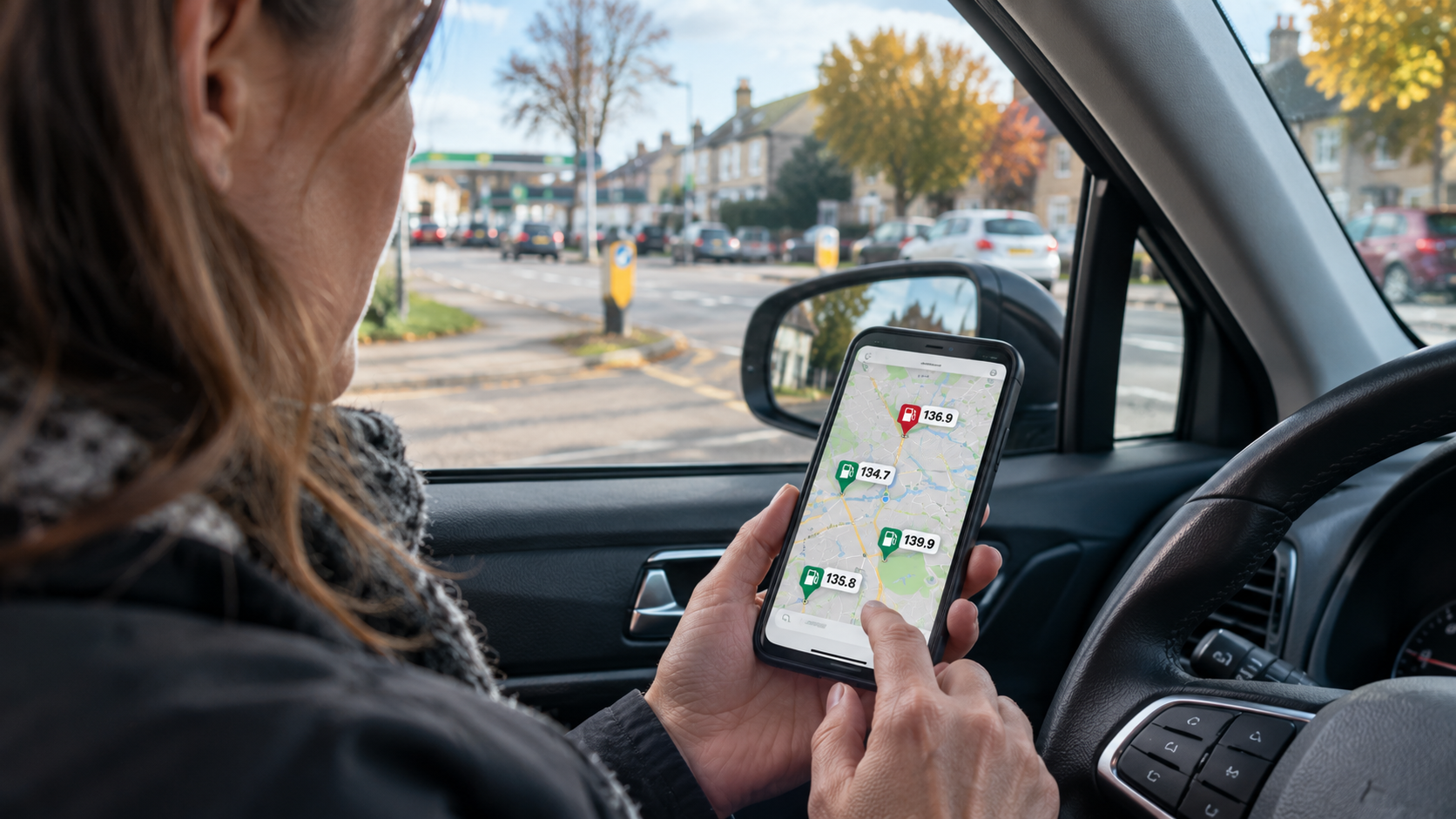
Google Maps fuel prices are now available to UK drivers, with petrol and diesel prices shown for nearby forecourts when you search for “petrol” or “fuel”. The feature launched on 8th October 2026 and uses data from the Government’s Fuel Finder scheme, which requires fuel retailers to report price changes within 30 minutes.
Change at a glance
CHANGE: Google Maps displays reported petrol and diesel prices at nearby UK forecourts.
WHEN: 8th October 2026
WHERE: UK-wide
WHO IT AFFECTS: Drivers comparing fuel prices before filling up.
WHAT YOU NEED TO DO: Nothing. Search for “petrol” or “fuel” in Google Maps and compare the prices shown.
LAST CHECKED: 14th October 2026
How Google Maps fuel prices work
Open Google Maps and search for “petrol” or “fuel” to see nearby stations and the prices listed for the fuel they sell. You can compare options on the map before choosing where to stop, rather than having to visit each station or rely on the price displayed at the roadside.
The feature is designed to make it easier to compare local prices. The prices come from Fuel Finder, not from Google independently checking what each forecourt is charging. Google’s announcement says the feature can show prices for different fuel types at a station.
Where do Google Maps fuel prices come from?
Fuel Finder is a UK Government open-data service that makes retail fuel prices and forecourt details available to apps and websites. Its data can include the station’s address, operator, brand, facilities, opening hours and the time a price was updated.
The Government introduced the scheme to make it easier for drivers to compare prices and to encourage competition between fuel retailers. Google Maps is one of several services using the data. Other services listed by the Government include Waze, PetrolPrices, the AA, Confused.com and RAC Fuel Watch. Availability and the way prices are displayed can differ between services.
What the 30-minute rule means
Since 2nd February 2026, fuel retailers covered by the scheme have had to submit price updates within 30 minutes of a change. That helps keep the data current, but it does not mean every price is updated instantly or that an app’s display is guaranteed to match the pump at the moment you arrive.
How current and accurate are the prices?
Fuel Finder includes timestamps so users can see when price information was updated. Retailers covered by the rules must report a price change within 30 minutes, rather than updating prices second by second. A delay or an error can still occur, and a forecourt’s price may change after it has been reported.
Use the price in Google Maps as a helpful comparison, not a guarantee. Check the price displayed at the forecourt before buying fuel, particularly if a small difference would affect which station you choose.
If you’re planning a drive, it’s worth checking your breakdown cover before you go. AutoAid offers breakdown cover for drivers who want a bit of extra peace of mind on the road.

If you spot a discrepancy between an app or website and the price or details at a station, you can report an error in Fuel Finder data to the Government. You will need the forecourt’s name and address or postcode, when you noticed the issue, what was wrong and where you saw the information. Photos or screenshots are optional, and you can report anonymously. Reports may be shared with the operator or local Trading Standards; the Competition and Markets Authority may take enforcement action where appropriate.
Does the Google Maps fuel-price feature cover the whole UK?
Yes. The Government’s Fuel Finder price-reporting scheme covers forecourts across the UK, including Scotland, England, Wales and Northern Ireland. This is not an England-only change.
Could comparing fuel prices save money?
The Government estimates that households with a car could save an average of £40 a year by comparing fuel prices. That is an estimate, not a guaranteed saving or an amount every driver will receive. The result for an individual depends on local prices, how often they drive, how much fuel they buy and whether a cheaper station is practical to reach.
It is worth comparing the overall cost of a stop, too. A lower price per litre may not be worthwhile if reaching that forecourt means making a special journey or driving significantly farther.
Do drivers need to do anything?
No registration or application is needed. Search for “petrol” or “fuel” in Google Maps, compare the prices and fuel types shown, and check the pump price when you arrive. You can continue to use other fuel-price comparison apps and websites if they suit you better.
Information checked
Checked on 14th October 2026 against the Department for Energy Security and Net Zero’s announcement about Google Maps fuel prices, its Fuel Finder data guidance and guidance on reporting incorrect information, plus Google’s announcement about fuel prices in Maps and Waze.
This article provides general information based on sources available when checked. Fuel prices and app features can change. Check the official guidance and the price shown at the forecourt if you need to confirm specific information.