England’s New Bus Rules Allow Fines for Playing Music Out Loud
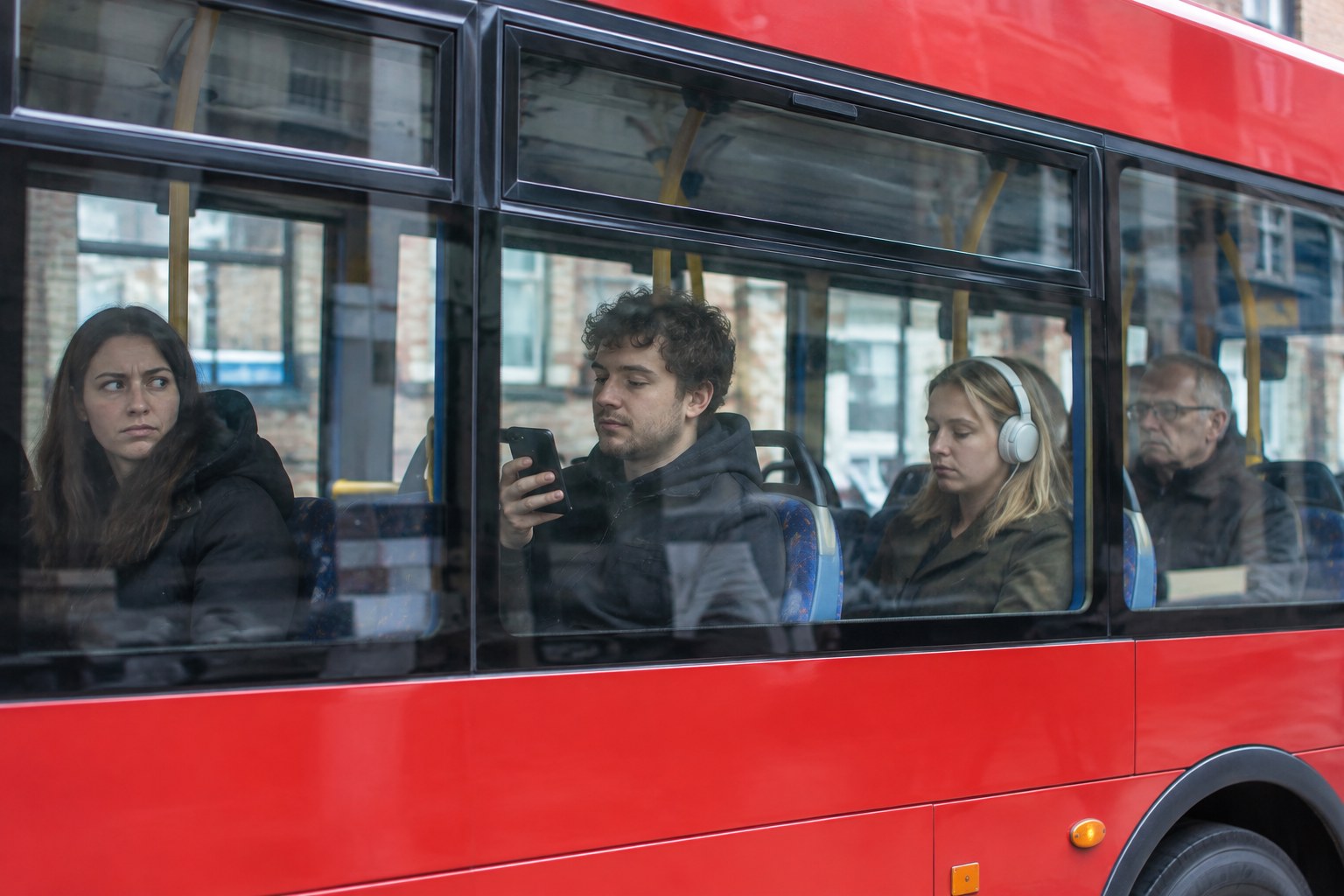
New powers introduced in England on 5th August 2026 allow local transport authorities to introduce fines for playing music out loud on buses. The maximum fixed penalty is £100, but local rules must be approved before they can be enforced.
Here’s what passengers need to know about the new rules and where they apply.

When can playing music on a bus lead to a fine?
The Bus Services Act 2025 created the legal framework for local transport authorities in England to make bus byelaws. The relevant provisions came into force on 5th August 2026, and the Department for Transport published guidance on 19th October 2026 explaining how the powers can be used.
Each local byelaw must be approved by the Secretary of State before it can be enforced. This means the powers are available, but a new penalty is not automatically in force on every bus route in England. The approved local rule determines which behaviour is prohibited and what penalty may apply.
What behaviour could the new bus rules cover?
The government guidance gives examples of behaviour that local authorities may choose to address through byelaws. These include playing music or videos loudly without headphones, vaping on buses or at bus premises, dropping litter, damaging buses or shelters, consuming alcohol, and threatening, abusive or intimidating conduct. Local rules may also address behaviour that interferes with other passengers’ comfort or obstructs bus services or facilities.
The Bus Services Act 2025 also sets out areas that byelaws may cover, including fare evasion and misuse of tickets, where the relevant legal provisions and local byelaw apply. These examples are not proof that every behaviour is already subject to a new £100 penalty throughout England. The precise wording of an approved local byelaw determines what it prohibits, and existing laws and transport rules may apply independently.
How will enforcement work?
Bus drivers will not be responsible for enforcing these new byelaws. Enforcement may be carried out by authorised officers, such as transport safety or enforcement officers, and police. Police community support officers may have a role where the necessary local arrangements and powers have been approved.
The Department for Transport recommends a three-stage approach: engage, educate, enforce. In practice, this means speaking to the passenger where appropriate, explaining the rule and how the behaviour affects others, and considering enforcement if the behaviour continues. The response should fit the seriousness of the incident, rather than automatically treating every situation in the same way.
The key step is local approval. A local transport authority is the council or transport body responsible for local transport services in its area. It can prepare and submit bus byelaws, but the rules must receive approval from the UK Government’s transport secretary, the Secretary of State, before they can be enforced. Check the relevant authority for the rules that apply to a particular route.
Where do the new bus byelaw powers apply?
The new framework covers local transport authorities in England outside London, with separate provisions for Transport for London. It is not a UK-wide change. The 5th August 2026 commencement date does not mean the same new byelaw framework automatically applies in Scotland, Wales or Northern Ireland.
Other laws and existing transport rules may apply in those nations. In England, do not assume that a new penalty is enforceable on a particular route unless the relevant local byelaw has been approved and brought into effect.
What is changing on trains?
The rail element of the 19th October announcement is a separate, industry-led campaign encouraging passengers to use headphones and avoid playing music or videos out loud. The campaign is intended to give passengers a clearer, more consistent reminder of rules already in place on the rail network.
The government says passengers who refuse to stop when asked by authorised rail staff may be removed from the train at the next station or face prosecution, with fines of up to £1,000. This campaign is not the same as the new bus byelaw powers and should not be treated as creating a new railway offence by itself.
What does a £100 fixed penalty notice mean?
Important: £100 is the maximum
A fixed penalty notice (FPN) offers the option to pay a set amount instead of having the alleged offence dealt with through prosecution. £100 is the legal maximum under this framework, not a compulsory charge for every incident. The applicable byelaw may set a lower amount and may allow a reduced payment if it is paid within a stated period.
A notice should identify the alleged offence, the amount due, how and to whom payment should be made, and the deadline. Read it carefully and follow the instructions on the notice if you want to pay or dispute it. The available process depends on the applicable law and notice, so do not assume there is one identical appeal route for every area.
You do not have to treat an FPN as a court conviction. It offers an alternative to prosecution, but if you do not pay, the matter may be taken to court. If you dispute the allegation, check the notice and seek advice promptly so you do not miss a deadline.
What should bus passengers do?
Passengers should follow the rules communicated by the operator and any applicable local byelaws. Using headphones, taking litter away or putting it in a bin, avoiding vaping where it is prohibited and respecting other passengers are sensible ways to reduce complaints and avoid breaking rules that apply. For other transport updates, browse our Transport & Travel Changes UK section.
If you receive a fixed penalty notice, check which byelaw or rule it cites, which authority issued it, the amount requested and the deadline. If you are unsure what the notice means, or disagree with it, follow the instructions provided and get advice promptly. Do not assume that all councils have identical rules or that an announcement alone makes a penalty enforceable. Authorities are also expected to consider the circumstances of the person involved and apply the rules fairly, including where someone may be vulnerable.
Bus fine rules: frequently asked questions
Can I be fined £100 for playing music on a bus?
Possibly, if the relevant local bus byelaw prohibits playing music or videos loudly without headphones and that byelaw has been approved and brought into effect. £100 is the maximum fixed penalty under the new framework, not an automatic fine on every bus.
Are the new £100 bus fines in force everywhere in England?
No. The powers came into force on 5th August 2026, but local rules must be approved before they can be enforced. This means the position may vary by area.
Can a bus driver give me a £100 fine?
Bus drivers are not responsible for enforcing these new byelaws. Enforcement may be carried out by authorised transport officers or police, with police community support officers involved where the necessary local powers have been approved.
What behaviour could lead to a bus fine?
Depending on the approved local byelaw, this could include vaping, littering, damage, alcohol consumption or threatening behaviour. For loud music or videos, the key question is whether the local rule specifically prohibits playing them without headphones.
What happens if I do not pay a bus fixed penalty notice?
An unpaid notice may lead to prosecution for the alleged original offence. Read the notice carefully, including its deadline and instructions. If you dispute the allegation, check the process set out on the notice and seek advice promptly.
Do the new bus fine powers apply in Scotland?
No. This framework applies in England, with separate provisions for Transport for London. Scotland, Wales and Northern Ireland have their own legal arrangements, and other existing transport rules may still apply.
You may also be interested in...
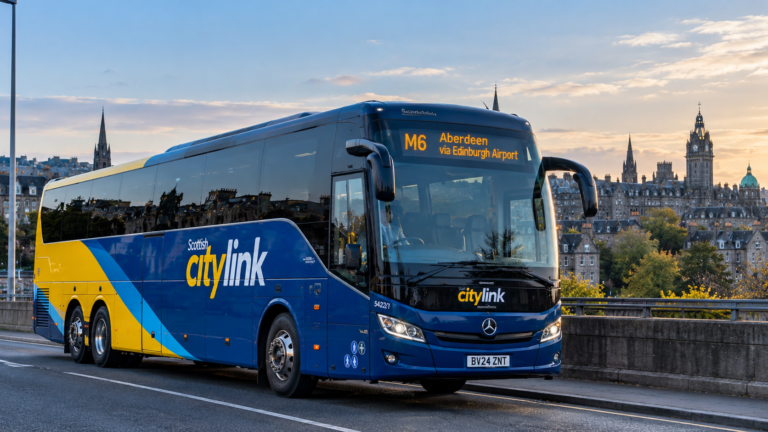
New Aberdeen to Glasgow Coach Starts 24th October
Scottish Citylink’s new M6 coach service between Aberdeen and Glasgow starts on 24th October 2026, serving Perth, Edinburgh Airport and Falkirk. Check route details, fares and timetable information.
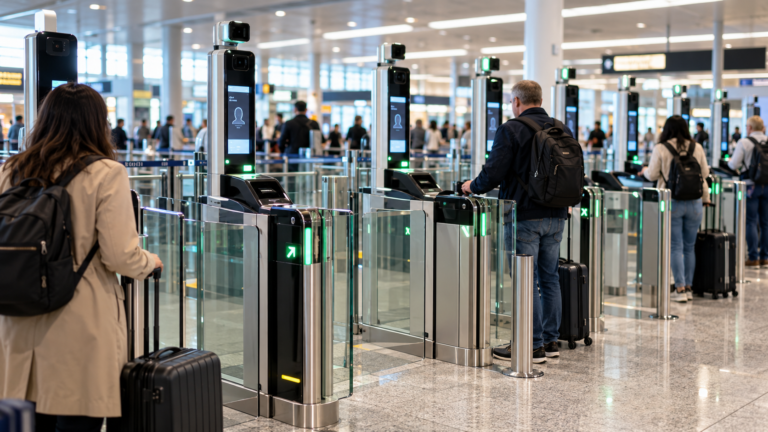
UK Airport e-Gates Begin Contactless Passport Checks
Contactless passport checks began rolling out at UK airport e-gates on 6th October 2026. Find out who can use them, which airports are included and why you still need a passport.
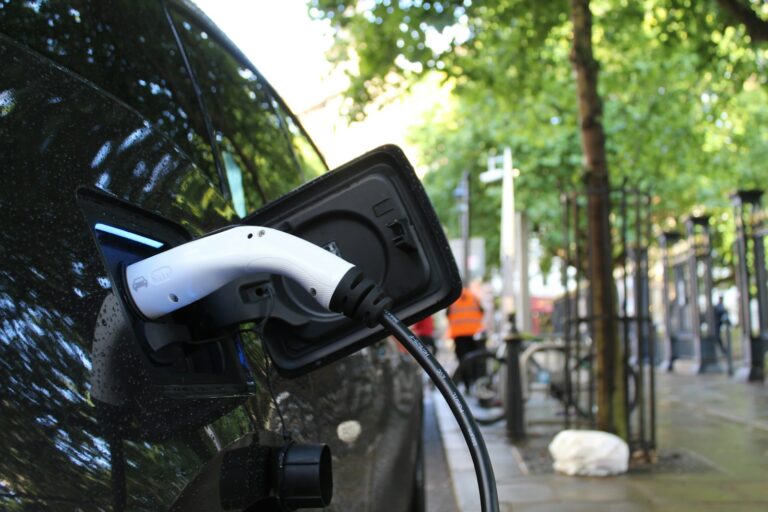
Electric Car Mileage Tax Due to Start on 1st April 2028:
Electric Vehicle Excise Duty is planned to start on 1st April 2028. Find out the announced mileage rates, what different annual mileages could cost and what drivers need to know.
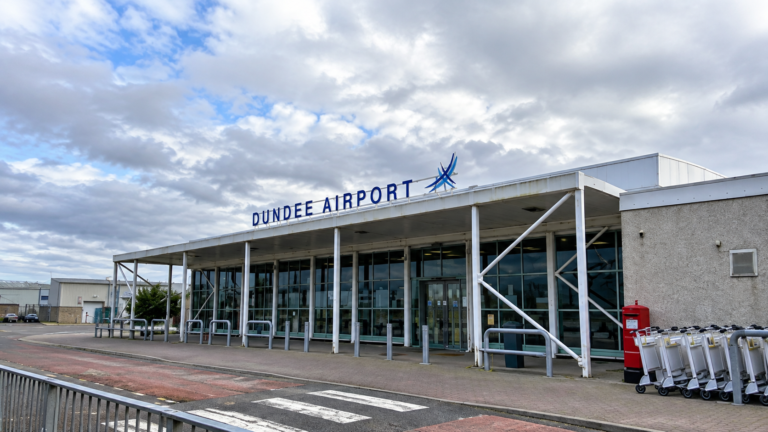
Dundee Airport Flights End as Loganair Withdraws
Loganair withdraws from Dundee Airport, ending direct flights to London Heathrow and Shetland.
Disabled Persons Railcard Eligibility Expanded on 30th September 2026
Disabled Persons Railcard eligibility expanded on 30th September 2026. Find out who may qualify, what evidence is needed and how to apply.
London Bus and Tram Fares Rise From 1st November 2026
Transport for London (TfL) bus and tram fares are due to rise on 1st November 2026. The adult pay-as-you-go fare will go up by 10p, from £1.75 to £1.85. The daily cap will increase by 30p to £5.55, and the Monday-to-Sunday weekly cap will rise by £1.40 to £26.10. The changes apply to TfL bus…