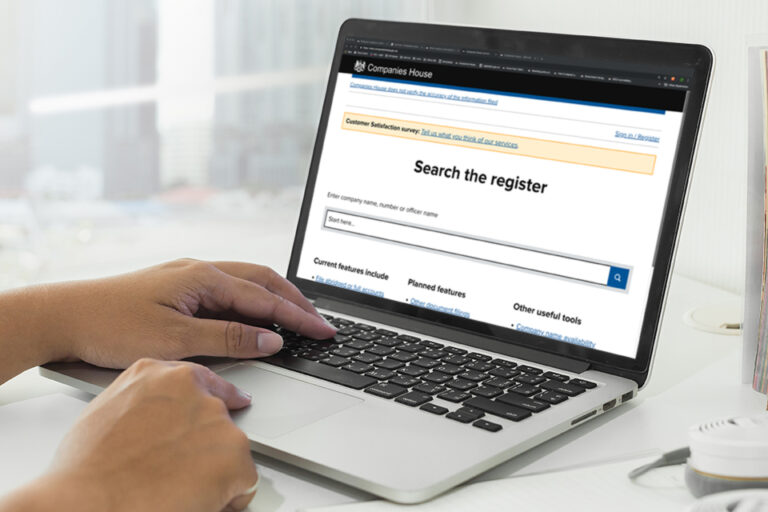
Right to Work Checks Change From 1 October 2026: Digital Verification Gets a Regulated Route
From 1 October 2026, employers will have a regulated digital route for right to work checks alongside the existing manual and Home Office online routes. Where an employer chooses to use a Right to Work Digital Verification Service Provider (RtW DVSP), that provider must be registered for the right to work service.

That does not mean every right to work check is becoming digital. Employers will still have three prescribed routes: a manual document check, a Home Office online check, or a check using a registered RtW DVSP. Which route is appropriate depends on the worker’s circumstances, and employers cannot simply require everyone to use the same method.
At a glance
- Change date: 1 October 2026.
- Three permitted routes: manual document checks, Home Office online checks and checks using a registered Right to Work Digital Verification Service Provider (RtW DVSP).
- Digital verification is optional: employers are not required to make all right to work checks digital.
- New provider requirements: if an employer chooses a digital verification service, the provider must be registered and able to conduct right to work checks under the relevant rules.
- Wider digital evidence: a registered RtW DVSP can check British or Irish passports and Irish passport cards, including documents up to six months past their expiry date where the requirements are met. It can also verify certain List A and List B documents where they are available from the issuing authority in digital form.
- eVisas: people with an eVisa must continue to use the Home Office online right to work service to evidence their right to work.
- Manual checks remain: employers cannot simply require everyone to use a digital service.
What is changing on 1 October 2026?
The October changes bring greater regulation to the digital verification route. From 1 October 2026, where an employer chooses to use a digital verification service for a prescribed right to work check, the provider must be registered on the OfDIA register and able to provide right to work checks.
The October 2026 Home Office employer guidance describes three prescribed routes that can establish a statutory excuse against a civil penalty for illegal working: a manual document-based check, a Home Office online right to work check, or a check using a registered RtW DVSP.
The change therefore adds a regulated digital route rather than replacing the existing ones. Manual checks remain available, and the Home Office online service remains the required route for certain people, including eVisa holders.
What is a digital right to work check?
A digital right to work check uses technology to verify a person’s identity and relevant evidence electronically. Under the October 2026 rules, an employer can use a registered RtW DVSP to carry out the digital identity verification part of the check.
The provider is not simply an ordinary ID-checking app. To be used for a right to work check, the service must be registered for the right to work purpose and certified against the relevant digital verification requirements. The Home Office guidance says employers should choose a permitted provider from the OfDIA register.
The employer still has responsibilities. Using a provider does not automatically transfer the employer’s responsibility for carrying out the check correctly or retaining the required evidence.
Digital verification service vs Home Office online check
These are two different things, and confusing them is one of the easiest ways to misunderstand the October changes.
Home Office online right to work check
This is the GOV.UK service where a worker provides a share code and the employer checks the worker’s right to work information held by the Home Office. It is particularly important for people whose immigration status is held digitally.
Where a worker has an eVisa, the employer must use the Home Office online service to establish a statutory excuse. The online result provides the relevant information about the person’s permission and any work restrictions.
Digital Verification Service Provider
A RtW DVSP is a registered digital verification service provider that can carry out the digital identity verification part of a prescribed right to work check. Its output gives the employer the evidence they need to complete their part of the check.
The October rules also allow registered services to support facial recognition checks, where the employer chooses to use that technology, to help confirm that the person being checked is the same person whose identity was verified.
Manual document check
A manual check involves checking permitted original documents in accordance with the Home Office’s prescribed process. The employer must check the documents, the person presenting them and any relevant restrictions, then make and securely retain copies and a record of the check.
Employer Checking Service
The Employer Checking Service (ECS) is different again. It is used in specified circumstances where the employer cannot establish the right to work through the normal routes, for example where a person has an outstanding immigration application and cannot demonstrate their status through the online service, or where Home Office verification is required in particular circumstances.
An ECS check is not simply an alternative online right to work check. Where the ECS is used, the employer normally needs a Positive Verification Notice before relying on it for the statutory excuse.
What evidence can digital verification services check?
One of the changes readers are most likely to notice is the treatment of passports in digital checks.
Under the version of the supplementary code in force for the October changes, a digital right to work identity can be created using a British passport, an Irish passport or an Irish passport card. An expired passport or passport card can be used where it expired no more than six months before the check and the other validity and security requirements are met.
The Home Office guidance also allows registered RtW DVSPs to verify acceptable List A and List B documents where the document is available from the issuing authority in digital form. The services and technology offered can vary between providers.
This does not mean that every expired passport can simply be uploaded to any identity-checking service. The service has to be a permitted RtW DVSP and the document has to meet the relevant requirements.
Can employers still use physical documents?
Yes. Manual document checks remain one of the three permitted routes.
For a manual check, the employer must follow the prescribed process for obtaining, checking and copying the original documents. A screenshot, scan or photograph of an ordinary physical document is not a substitute for the required original-document check, except for the specific digital evidence allowed by the guidance.
So if your business currently checks permitted original documents manually, the October changes do not by themselves require you to replace that process with a digital verification service.
What about share codes?
Share codes remain important, but not everyone needs one.
The Home Office online service is used where the person’s circumstances require an online check. In particular, people with eVisas must use the Home Office online service to evidence their right to work.
British and Irish citizens cannot use a Home Office share code to prove their right to work. They can use permitted documents for a manual check or, where the route applies, a registered RtW DVSP.
What does this mean for eVisa holders?
If a worker has an eVisa, the October changes do not mean that their employer should switch to a private digital verification service instead.
The Home Office’s October 2026 guidance says employers must use the Home Office online right to work checking service to establish a statutory excuse for an eVisa holder. If the online service cannot be used in a particular case, the guidance sets out circumstances in which the Employer Checking Service or another prescribed route may apply.
Employers should therefore keep the Home Office online check as a distinct part of their recruitment process rather than treating every digital right to work check as the same thing.
Can an employer require everyone to use a digital check?
No. The October 2026 Home Office guidance says employers cannot mandate the method by which an individual demonstrates their right to work. Employers should provide a reasonable opportunity for people to prove their right to work.
This is particularly important where someone cannot or does not want to use a digital verification service. The guidance says employers should provide another permitted way to prove the right to work, including a manual document-based check where appropriate.
The same principle applies to digital facial recognition. It is an optional technology, not a universal requirement for every worker.
What happens if someone cannot generate a share code?
There are situations where a worker may not be able to generate a share code or where the Home Office online service cannot be used normally.
The Employer Checking Service can be used in specified circumstances, including some technical problems with an individual’s digital immigration status and certain outstanding applications. The employer should follow the Home Office guidance rather than treating an inability to generate a share code as proof that the person cannot work.
For some people, the appropriate solution may instead be a manual check using acceptable documents. The correct route depends on the individual’s circumstances.
What employers should do before 1 October 2026
If you employ people or recruit regularly, it is worth reviewing your process before the new rules take effect.
- Map your current checking routes. Identify when your organisation uses manual checks, Home Office online checks and any third-party identity technology.
- Check any digital provider. If you use a digital verification service for right to work checks, confirm that the relevant service is registered and permitted for right to work checks under the October rules.
- Keep eVisa checks separate. Make sure staff understand that an eVisa holder’s right to work is evidenced through the Home Office online service.
- Review your procedures. Update recruitment and HR guidance so staff know which route to use for different types of worker and what evidence must be retained.
- Review your records. Make sure your organisation retains the required evidence of each check securely for the duration of employment and for two years afterwards.
- Train the people carrying out checks. Staff should understand the difference between a Home Office share-code check, a manual check, an RtW DVSP check and an ECS verification.
- Check your equality safeguards. Make sure applicants are not singled out for checks because they appear more likely to be migrants and are not treated less favourably because they need or prefer a different permitted checking route.
What employees and job applicants need to know
For most employees and applicants, the practical message is simple: the new rules do not mean that everyone needs a new digital identity or a share code. The route used depends on the person’s circumstances.
If you are a British or Irish citizen, you cannot use a Home Office share code to prove your right to work. Your employer can use permitted original documents or, where appropriate, a registered digital verification service.
If you have an eVisa, your employer will normally need to use the Home Office online service to check your right to work. If you cannot access the service or generate a share code, there are specific routes for dealing with some of these situations.
You should also expect an employer to check that the person presenting the evidence is the person to whom the right to work belongs.
Right to work checks and discrimination
Right to work checks have to be carried out in a way that prevents illegal working without unlawfully discriminating against applicants.
The October 2026 code of practice says employers should not make assumptions about someone’s right to work or immigration status because of their race, nationality, ethnic or national origins, accent, surname or length of residence in the UK. Employers should not only carry out checks on people they think are more likely to be migrants.
The Home Office guidance also says employers cannot mandate the method by which an individual proves their right to work. They should provide a reasonable opportunity for each person to prove their right to work, including an alternative permitted route where someone cannot use a particular digital process. The aim is to prevent illegal working without unlawfully discriminating against applicants or workers.
What if an employer gets the process wrong?
Carrying out a prescribed right to work check can give an employer a statutory excuse against a civil penalty if the worker is later found to be working illegally. The October guidance makes clear that the employer remains responsible for making sure the prescribed requirements are met, even where a third-party provider is involved.
If a digital verification service is used, employers should check that it is the appropriate registered service and retain the output and other evidence required by the guidance. For online checks, employers must retain a copy of the profile page showing the result. For manual checks, employers must retain clear copies of the documents and the date of the check.
Records for the relevant checks generally need to be kept for the duration of the employment and for two years afterwards, then securely destroyed.
Frequently asked questions
Do all right to work checks become digital from 1 October 2026?
No. Manual checks and Home Office online checks remain available where the relevant rules allow them. The October changes regulate the use of registered digital verification service providers and expand the evidence and services that can be supported through that route.
Do all workers need a share code?
No. British and Irish citizens cannot get Home Office share codes to prove their right to work. People with eVisas use the Home Office online service, while other workers may have different permitted routes depending on their circumstances.
Can an expired British or Irish passport be used for a digital right to work check?
Yes, where the check is carried out through a registered RtW DVSP and the passport or passport card expired no more than six months before the check, subject to the other validity and security requirements. This does not mean an expired document can be uploaded to an ordinary identity-checking service and treated as a prescribed right to work check.
Can my employer make me use a private digital verification service?
The Home Office’s October 2026 guidance says employers cannot mandate the method by which an individual demonstrates their right to work. If an individual does not wish to use a digital verification service, the employer should provide another permitted way to prove the right to work.
Is a digital verification service the same as the GOV.UK share-code service?
No. The Home Office online service is operated by the Home Office and provides an online right to work result using a share code. A RtW DVSP is a separate registered service used for prescribed digital identity verification.
Does an eVisa mean I should use a digital verification provider?
Not instead of the Home Office online service. The October 2026 guidance says employers must use the Home Office online right to work checking service to establish a statutory excuse for an eVisa holder.
Do the changes apply in Scotland?
Yes. The October 2026 right to work guidance applies to employers across England, Scotland, Wales and Northern Ireland. The underlying immigration and right to work scheme is reserved, so the digital checking changes are not a Scotland-only employment law change.
Official guidance and further information
For the latest rules and detailed checking procedures, use the official sources rather than relying on summaries or third-party software providers:
- GOV.UK: Draft employer’s guide to right to work checks, 11 September 2026
- GOV.UK: Checking a job applicant’s right to work
- GOV.UK: Supplementary code for digital right to work checks 1.1
- GOV.UK: Code of practice on avoiding unlawful discrimination while preventing illegal working
- GOV.UK: Employer Checking Service
Last checked: 28 September 2026.
This article explains the published UK right to work rules in general terms. It is not immigration, legal or HR advice. Employers should use the current Home Office guidance for the exact checking procedure that applies to an individual case.
Related changes
You may also want to read our guides to Employment Rights Changes 2026, Employment Tribunal Time Limits 2026 and Sexual Harassment at Work 2026.