Companies House Strike-Off Objections Go Online-Only From 1st December 2026
From 1st December 2026, if you need to stop a limited company being struck off the Companies House register, the normal way to object will be online. Companies House will no longer accept objections by email after that date.
LAST CHECKED: 29th September 2026
Change takes effect: 1st December 2026
Where: UK
Who is affected: Business owners and other people who may need to object to a limited company being struck off, including creditors and other interested parties
What is changing: Objections will normally need to be submitted through the Companies House online service rather than by email.
What is changing on 1st December 2026?
The change is about how you submit an objection, not about creating a new right to object. The online objection service is already available, but from 1st December 2026 it becomes the required route for normal objections.
Companies House says you will need a Companies House account, the company number and supporting documents in digital form. The online process should take around five minutes, according to Companies House.
Why would you object to a company being struck off?
You can object if you are a shareholder or another interested party, such as a creditor, and you have a reason why the company should not be removed from the register.
A common example is a company that owes you money. You might also have an unresolved legal claim against the company or another issue that needs to be dealt with before it is dissolved.
You can only object after the proposed strike-off has been announced in The Gazette. The notice will give the date on which the company is due to be struck off.
What do you need to make an online objection?
You will need a Companies House account, the company number and evidence supporting your objection.
Companies House says supporting documents can be images, Microsoft Excel, Microsoft Word or PDF files. They must be less than six months old, clearly show the company’s full name, support the reason you are objecting and be less than 4MB in size.
For example, if the company owes you money, an invoice can be used as evidence of the debt.
SPONSORED
Need help with your business?
Rapid Formations provides company address services designed to help protect your home address privacy.
How long do you have to object?
You need to object before the company is struck off. The Gazette notice will tell you the relevant date.
Companies House says the company will normally be struck off two months from the date in the notice, although some notices give a 28-day period. If you need to object, it is sensible to deal with it as soon as you see the notice rather than waiting for the deadline.
What if a company owes you money?
Objecting to the strike-off does not recover the money for you. It is a way of stopping the company being dissolved while you deal with the underlying issue.
You should provide evidence showing why the company owes you money. If you have started legal action to recover a debt, that may also be relevant when Companies House considers whether the company should remain on the register.
For example
A tradesperson completes £3,000 of work for a limited company and is still waiting to be paid. The company then applies to be struck off and a Gazette notice is published. The tradesperson may be able to object if they have evidence supporting the debt. An objection does not guarantee that the money will be recovered.
What happens after you object?
Companies House will tell you whether your objection is successful. If it is successful, the company will not be struck off for another six months.
If you need more time, Companies House says you should contact it before that period ends. You may need to show that you have made progress towards resolving the issue. For example, if a company owes you money, simply sending another invoice is unlikely to be enough, whereas legal action to recover the debt may be relevant.
SPONSORED
Need help with your business?
Fiverr connects businesses with freelance professionals offering services such as website development, design, writing, marketing and more.
What happens if you do nothing?
If there is no successful objection and the company still meets the conditions for strike-off, it can be removed from the register and dissolved.
If the company has already been dissolved, you cannot use the normal objection process. In certain circumstances, an interested party may instead need to apply for a court order to restore the company.
Does the change apply across the UK?
Companies House deals with limited companies throughout the UK. Strike-off notices are published in the relevant Gazette: the London Gazette for companies incorporated in England and Wales, the Edinburgh Gazette for companies incorporated in Scotland, and the Belfast Gazette for companies incorporated in Northern Ireland.
The basic objection process is handled through Companies House. The main difference for readers is which Gazette carries the notice.
What if you cannot use the online service?
Online will be the normal route from 1st December 2026, but there are arrangements for people who cannot use the service. Companies House says you should contact it if you cannot object online or need support because of a disability or health condition.
Depending on the circumstances, Companies House may help you use the online service or allow you to object by email or post. If you use email or post, the objection needs to arrive at least two weeks before the company is due to be struck off.
How can you spot a proposed strike-off?
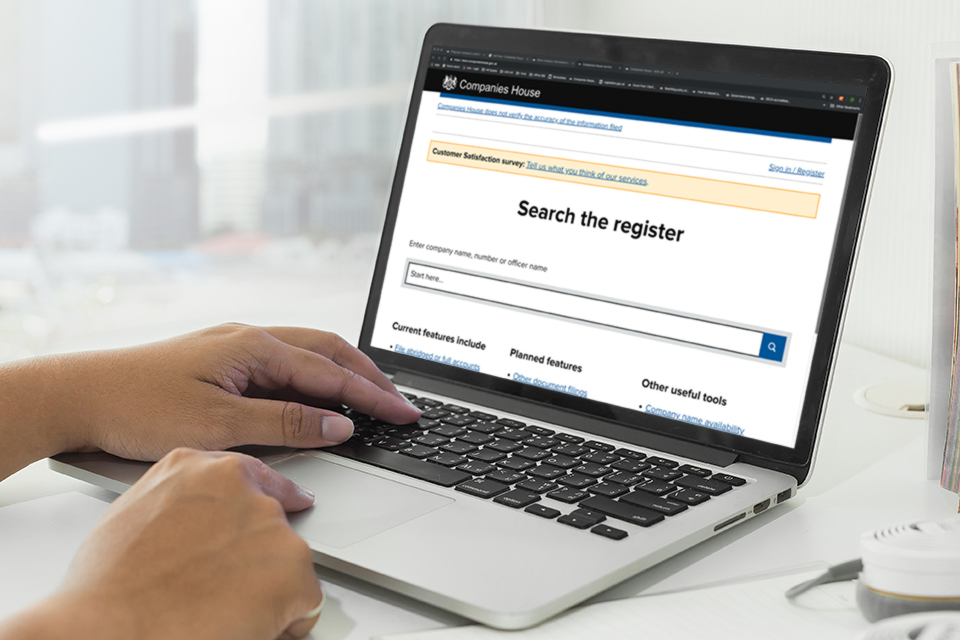
You can check a company’s record on the Companies House register and look for the strike-off notice. You can also follow a company on the register to receive email alerts about changes to its record.
Information checked
This article was checked against current Companies House and GOV.UK guidance on 29th September 2026, including the announcement confirming the move to online objections from 1st December 2026 and the current guidance on objections, evidence, deadlines and what happens after an objection.
Information note: This article is general information based on official guidance available when checked. It is not legal or financial advice. Companies House procedures can change, so check the current official guidance if you need to object to a particular company being struck off.