Deposit Return Scheme 2027: 20p Deposit From 1 October
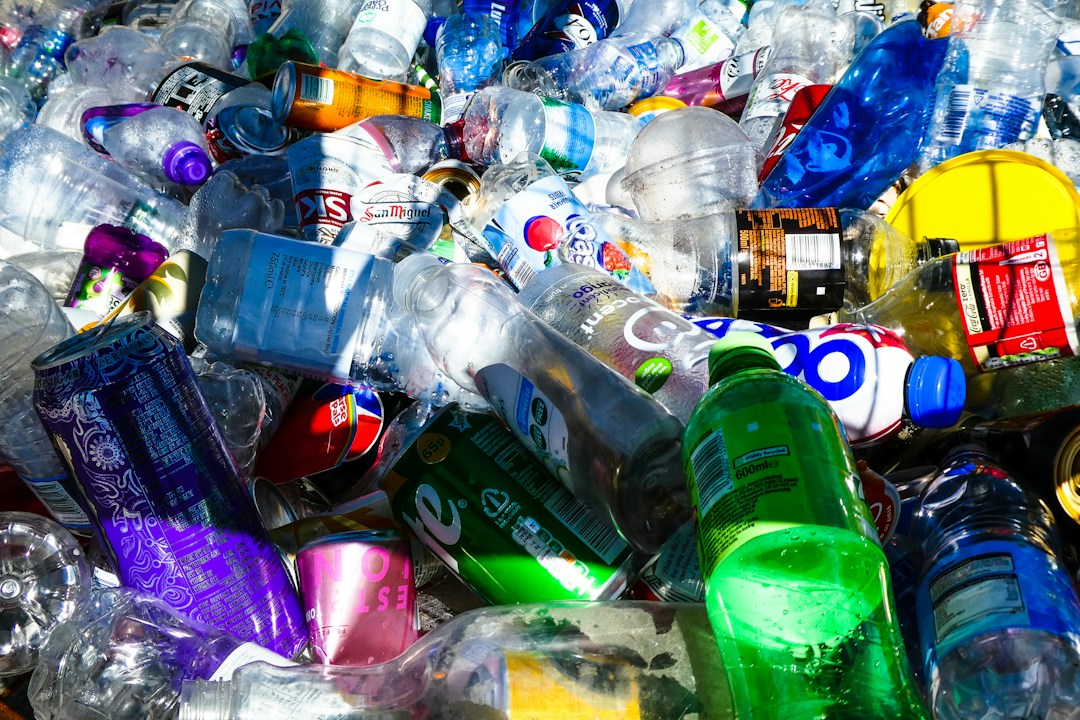
From 1 October 2027, deposit return schemes will begin across the UK, changing the way people buy and return many single-use drinks containers. For eligible plastic bottles and metal cans, shoppers will pay a 20p refundable deposit when they buy the drink and can get that money back when they return the empty container to a participating return point.
Change at a glance
Last checked: 29th September 2026
Change takes effect: 1st October 2027
Where: UK, with some differences between the three devolved schemes
Who is affected: People buying eligible single-use drinks containers
What is changing: A refundable 20p deposit will be added to in-scope drinks containers in England, Scotland and Northern Ireland. Wales will operate its own scheme, including glass containers from launch with a four-year transition period for the deposit and labelling requirements.
Looking for simple ways to cut down on plastic?
Big Green Smile offers eco-friendly household, cleaning and personal-care products, including plastic-free alternatives.
What is the deposit return scheme?
A deposit return scheme, usually shortened to DRS, adds a refundable deposit to certain single-use drinks containers. You pay the deposit when you buy the drink and receive it back when you return the empty container through the scheme.
The aim is to create a separate collection system for drinks containers so that more bottles and cans can be collected for recycling rather than being thrown away or littered. There will be three legally distinct schemes: one covering England and Northern Ireland, one covering Scotland and one covering Wales. The governments are working towards making them interoperable, so the system should work as simply as possible across the UK.
The scheme starts on 1 October 2027
The launch date is now confirmed as 1 October 2027. The England and Northern Ireland regulations state that the scheme will commence on that date, while Scottish legislation sets 1 October 2027 as the full implementation date. Wales has also approved its scheme for 1 October 2027.
The UK Government, Scottish Government, Welsh Government and Northern Ireland authorities have been working towards an aligned October 2027 launch. The date is therefore no longer simply a target month for this article’s Change Calendar: the official legislation and government statements support the specific date of 1 October 2027.
Which drinks containers will have a deposit?
In England, Scotland and Northern Ireland, the scheme will cover single-use drinks containers made wholly or mainly from PET plastic, steel or aluminium and holding between 150ml and 3 litres.
That means the scheme is aimed at the types of plastic bottles and metal cans people commonly buy for drinks. It does not cover every item that happens to be sold in a bottle or can.
For example, containers made from high-density polyethylene (HDPE), such as many milk bottles, are excluded from the England and Northern Ireland scheme. Containers for products such as liquid medicines and flavour enhancers are also outside the scheme.
Glass is the important UK-wide difference. Glass drinks containers are not included in the England, Scotland and Northern Ireland schemes at launch. Wales is taking a different approach and is including single-use glass drinks containers from the start.
Wales will have different rules for glass
Wales will operate its own deposit return scheme, and its scope is broader than the schemes in England, Scotland and Northern Ireland.
From 1 October 2027, the Welsh scheme will cover PET plastic bottles, aluminium and steel cans and glass drinks containers between 150ml and 3 litres. However, there will be a four-year transition period for glass. During that period, glass containers will be exempt from the labelling requirement and will carry a zero-pence deposit.
That means a glass bottle bought in Wales will be part of the Welsh scheme from launch, but the deposit arrangements will not initially work in exactly the same way as they do for the plastic and metal containers carrying the 20p deposit elsewhere.
How much will the deposit be?
For the scheme covering England, Scotland and Northern Ireland, the deposit has now been set at a flat 20p per eligible container. Exchange for Change, the industry-led organisation delivering the scheme across these three nations, confirmed the 20p rate in 2026.
The deposit is not intended to be a permanent extra cost of the drink. It is refundable when the eligible empty container is returned through the scheme.
So, if a drink costs £1.50 before the deposit, you would initially pay £1.70. If you return the eligible container and receive the full refund, the 20p deposit comes back to you.
Looking for an alternative to buying bottled water?
A home water filter can give you filtered drinking water from the tap, while helping you reduce the number of single-use bottles you buy. Waterdrop offers countertop and under-sink filtration systems for UK homes.
What about multipacks?
The 20p deposit applies to each in-scope container rather than being a single charge for the whole multipack.
For example, a multipack containing six eligible drinks would carry six 20p deposits, adding £1.20 to the amount paid at purchase. Those deposits can then be recovered when the eligible containers are returned through the scheme.
The governments have specifically considered the effect of deposits on multipacks when designing the scheme, with the intention of keeping the system straightforward for consumers.
How do you get your deposit back?
You will need to return the empty eligible container to a designated return point. Return points can use a reverse vending machine, where you feed the container into a machine, or a manual system where staff accept the container.
Supermarkets and convenience stores selling drinks covered by the scheme will generally be required to operate return points, subject to exemptions. Other organisations such as hospitality venues, food-to-go businesses, gyms, community centres and similar locations can apply to operate voluntary return points.
The container will need to meet the scheme’s return requirements. Return points will not be required to accept containers that are broken, soiled or not empty.
Can you return a bottle or can to a different shop?
Yes. One of the important features of the UK approach is that return points and scheme administrators will be required to accept eligible containers that were bought elsewhere in the UK, subject to the rules applying in the nation where the return is made.
This means you will not generally have to keep track of the exact shop where you bought each drink. The intention is to make the system practical for people who buy drinks in one place and finish them somewhere else.
What happens if you buy drinks online?
There will not be a mandatory online takeback service from the first day of the scheme. In other words, online retailers will not generally have to collect empty containers from your home simply because you bought the drinks online.
Voluntary takeback services may be offered by retailers, and the governments say the position will be kept under review. If you buy eligible drinks online, you should therefore expect to use a physical return point unless the retailer provides another service.
Will you actually pay more for drinks?
You will pay more at the till when you buy an eligible drink because the refundable deposit is added to the purchase price. However, the 20p is designed to come back to you when you return the container.
The deposit is therefore different from a tax or a permanent price increase. If you return the container and receive the refund, you have recovered the additional 20p.
Retail price information is also being designed so that the deposit is shown separately from the cost of the drink, helping shoppers see how much of the amount they pay is refundable.
What if you do not return the container?
If you keep the container, put it in your normal recycling or throw it away, you simply will not receive the deposit back. The deposit is the financial incentive to return the container through the scheme.
You will still be able to recycle suitable containers through existing household or other recycling arrangements where those arrangements accept them, but using the deposit return system is the route to getting the deposit refunded.
Do you have to return the container to a machine?
No. Return points can use automated reverse vending machines or manual collection over the counter. The precise arrangements will vary between locations.
The scheme is being designed around a network of return points rather than requiring every consumer to use a particular type of machine.
What will shops have to do?
Retailers selling drinks covered by the scheme will have new responsibilities. Depending on the scheme and the retailer’s circumstances, this can include operating a return point, accepting eligible containers, refunding deposits, storing returned containers and displaying information about the scheme.
There are exemptions. For example, certain small urban retail premises will not automatically have to operate a return point, and retailers can apply for exemptions in some circumstances, including where another return point is nearby or where the premises cannot reasonably accommodate one.
The scheme administrators will provide more detailed operational guidance as the launch approaches.
What do you need to do before 1 October 2027?
There is nothing you need to register for or apply for as a consumer before the scheme starts.
The practical change will come when eligible drinks carrying the scheme’s identification are sold after launch. From then on, you will need to decide whether to return the empty container to a return point if you want to recover the deposit.
It will also be worth getting used to looking for the scheme’s identification mark on drinks packaging once producers begin putting the required labels on eligible products.
The important differences across the UK
The schemes are legally separate, so some detailed rules can differ. However, the administrations are working to make the schemes interoperable and as straightforward as possible for consumers moving between different parts of the UK.
What is still being put in place?
The launch date and the main consumer-facing structure are now established, but work is continuing on the practical infrastructure needed to operate the schemes at scale. This includes return points, reverse vending machines, collection and sorting infrastructure, labelling, IT systems and consumer information.
For consumers, the most important thing to remember is that the system will not require a new application or registration. The change will happen at the point of buying an eligible drink and then when you choose to return its empty container.
29 September 2026
Information checked
This article was checked against current information from GOV.UK, the Scottish Government, the Welsh Government and Exchange for Change, the deposit management organisation for England, Scotland and Northern Ireland.
Main sources
England and Northern Ireland DRS Regulations 2025
Scottish Government DRS information
Welsh Government statement on the 2026 regulations
Exchange for Change: 20p deposit confirmation
General information: This article is intended as general information about the UK deposit return schemes. The detailed rules and operational arrangements can change as implementation progresses. Check the relevant government or scheme administrator guidance for the latest position.