Energy Drink Ban Under-16s 2027: What’s Changing in England
The Government has confirmed that the sale of high-caffeine energy drinks to under-16s will be banned in England, with the change expected to take effect in April 2027. The policy has been decided, but the secondary legislation still has to complete the Parliamentary process.
Key update
Last checked: 29 September 2026
Change: Sale of high-caffeine energy drinks to under-16s banned in England
Expected timing: April 2027
Exact date: The Government intends to use 6 April 2027, subject to Parliamentary scrutiny
Who is affected: Under-16s, parents and carers, and businesses selling high-caffeine energy drinks in England
Status: The Government has decided to introduce the ban. The secondary legislation is still subject to Parliamentary scrutiny and approval.
What is changing?
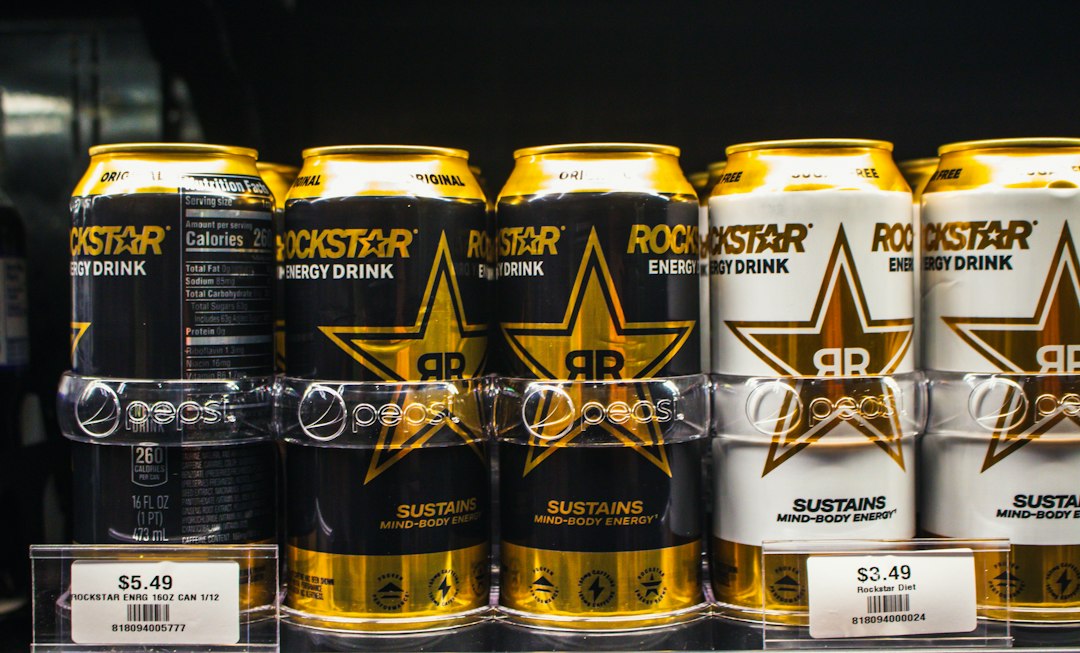
From April 2027, retailers in England will no longer be able to sell certain high-caffeine energy drinks to people under 16. This is not a ban on every drink containing caffeine. The policy covers drinks other than tea or coffee that contain more than 150mg of caffeine per litre, including relevant products intended to be diluted or reconstituted.
The Government announced the policy on 16 July 2026 following its consultation. It has decided to introduce secondary legislation under the Food Safety Act 1990, but the legislation remains subject to the normal Parliamentary process.
When will the energy drink ban start?
The Government expects the ban to come into force in April 2027. It intends to use 6 April 2027 as the commencement date, but that date is not yet an unconditional legal deadline because the legislation still has to pass through Parliamentary scrutiny and approval.
Is 6 April 2027 definitely confirmed?
Not yet. There is an important distinction between the policy decision and the final legal commencement date. The Government has made the policy decision to introduce the ban and has identified April 2027 as the intended implementation month. It has also said it intends to bring the measures into force on 6 April 2027, subject to Parliamentary scrutiny.
That means readers can treat April 2027 as the Government’s planned timetable, while the exact legal date should be treated as subject to the Parliamentary process until the legislation is approved.
Which energy drinks will be covered?
The final policy covers drinks other than tea or coffee containing more than 150mg of caffeine per litre. That threshold is what determines whether a drink falls within the age restriction.
The policy also covers relevant products intended to be consumed as drinks after reconstitution or dilution. So it is the caffeine level and the nature of the product, rather than the word “energy” on the label alone, that matters.
What drinks will not be covered?
Tea and coffee are excluded from the policy. Drinks containing caffeine but not exceeding the threshold are not automatically covered just because they contain caffeine.
This is why the change should not be described as a blanket ban on caffeinated drinks for under-16s.
Where will the ban apply?
The policy will apply to retailers selling directly to consumers in England. That includes supermarkets, convenience shops, cafés and other out-of-home businesses, retailers that do not mainly sell food and drink, online retailers and individual sellers.
Business-to-business sales, such as wholesale transactions where there is no direct sale to a consumer, are outside the ban.
What about vending machines?
Vending machines are treated differently. The Government has decided on a complete ban on sales of high-caffeine energy drinks from vending machines. The person controlling or managing the premises where the machine is located can be liable for sales made through it.
What does the ban mean for parents and teenagers?
For a 15-year-old in England, the practical change is straightforward: once the new rules are in force, they will not be allowed to buy a high-caffeine energy drink covered by the 150mg-per-litre threshold from a retailer.
Someone aged 16 or 17 will not be covered by this particular under-16 sales restriction. The change is also about the sale of products, so it does not create a general ban on a young person possessing or drinking a caffeinated drink.
Will shops and supermarkets check ID?
Retailers will be responsible for making sure that high-caffeine energy drinks are not sold to under-16s. The exact practical arrangements for checking age may vary between retailers.
For online sales, the Government has decided not to prescribe one specific age-verification method. Instead, online retailers will be responsible for ensuring that their systems prevent sales to children who are under 16.
What does the ban mean for retailers?
Retailers that sell directly to consumers in England will need to prepare for the new age restriction. That includes businesses that already operate age checks for other products, as well as sectors that may have less experience with age-restricted sales.
Local authorities will be responsible for enforcement, with trading standards expected to lead enforcement activity subject to local arrangements. The consultation outcome says fixed monetary penalties are intended alongside existing criminal offences under the Food Safety Act 1990.
The Government’s published policy sets fixed monetary penalties at £1,500 for individuals, micro and small businesses and £2,500 for medium and large businesses. The final enforceable position should be checked against the legislation once the secondary legislation is made.
Why is the Government introducing the ban?
The Government says the evidence is not definitive, but consistently identifies associations between consuming high-caffeine energy drinks and a range of negative outcomes for children, including effects linked to physical and mental health and education. It says the decision was also informed by wider concern among parents, teachers and health organisations.
The consultation outcome also records concerns from some respondents about the strength of the evidence, proportionality and the practical effects on businesses and consumers. Those views were considered as part of the policy decision.
Does the ban apply across the UK?
No. This is an England-only policy. It should not be described as a UK-wide ban.
The Scottish Government decided in 2023 not to introduce a ban after its own consultation. Wales and Northern Ireland have different devolved arrangements, so readers in those nations should check their own current rules rather than assuming the English policy applies to them.
What should happen before April 2027?
The Government says there will be an implementation period of at least six months and that it will work with businesses, trade associations and local authorities to provide guidance before the ban takes effect.
For parents, there is nothing special that needs to be done now. The main thing is to understand that the legal restriction is being introduced in England, while the final commencement date still depends on the Parliamentary process.
What is confirmed and what is still to come?
What is confirmed
Confirmed policy: The Government has decided to introduce a ban on the sale of high-caffeine energy drinks to under-16s in England.
Planned timing: The Government expects the ban to come into force in April 2027 and intends to use 6 April 2027.
Still subject to the Parliamentary process: The secondary legislation still needs to complete Parliamentary scrutiny and approval. Until that happens, the exact legal commencement date should not be treated as unconditional.
Sources
GOV.UK: Banning the sale of high-caffeine energy drinks to children, consultation outcome
GOV.UK: Children’s health further protected with energy drinks ban
Similar Posts
Right to Rent Digital Checks Change From 1 October 2026
Right to Rent checks in England change from 1 October 2026. Find out what the new digital verification rules mean for renters, landlords and letting agents.
Awaab’s Law: New Damp and Mould Rules for Scottish Tenants From 6th October 2026
From 6th October 2026, new Awaab’s Law duties will apply to relevant social and private landlords in Scotland. The new rules introduce set timescales for investigating reports of damp and mould, giving tenants written information about the findings and starting required repairs. Change at a glance Last checked: 29th September 2026Change takes effect: 6th October…
Cold Weather Payment 2026: Payments Start on 1 November
Cold Weather Payments return for winter 2026/27 from 1st November 2026. The scheme covers eligible people in England, Wales and Northern Ireland and provides £25 for each qualifying seven-day period of very cold weather. AT A GLANCE LAST CHECKED: 29th September 2026 Change takes effect: 1st November 2026 Where: England, Wales and Northern Ireland Who…
Scottish Wrongful-Termination Payments Increase From 6th October 2026
Scottish wrongful-termination payments are changing on 6th October 2026. Find out who may qualify, how the new 3 to 36 times rent calculation works, and what tenants and landlords need to know.
Northern Ireland Graduated Driver Licensing 2026: New Rules From 1st October
Northern Ireland is introducing a new Graduated Driver Licensing system from 1st October 2026. The changes affect learner and newly qualified drivers, with new training requirements before the practical test and restrictions applying after passing. Last checked: 29th September 2026Change takes effect: 1st October 2026Where: Northern IrelandWho is affected: Learner drivers and newly qualified drivers…
National Minimum Wage 2027: What Will Change?
The National Minimum Wage and National Living Wage are due to change from 1 April 2027. The date is confirmed, but the Government has not yet announced the actual 2027 rates. The Low Pay Commission is working on its recommendations now, so there is already useful information available about what could change and when the…