Energy Price Cap Rises From 1 October 2026: Typical Annual Bill Reaches £1,723
The energy price cap changes on 1 October 2026. For the typical household used in Ofgem’s headline figure, the annualised cap rises from £1,663 to £1,723 for the October to December period. But that £1,723 figure is not a maximum bill, and it does not mean every household will see the same increase.
The figure is based on typical energy use. What you actually pay depends on your energy consumption, where you live, your payment method, your meter and the tariff you are on.
At a glance
Energy price cap at a glance
What is the energy price cap?
The energy price cap is set by Ofgem, the energy regulator for Great Britain. It limits the rates suppliers can charge for each unit of gas and electricity, along with the daily standing charge, on covered default tariffs.
Ofgem reviews the cap every three months. The level reflects the costs of supplying energy, including wholesale energy, network and other costs. The cap is therefore a limit on the rates you can be charged, not a limit on the amount of energy you can use.
Why £1,723 is not your maximum bill
This is the distinction most likely to cause confusion. Ofgem’s headline figure is an annualised illustration based on a typical amount of energy use. It is not a fixed annual allowance.
If your household uses more energy than the typical amount, you can pay more than £1,723. If you use less, you can pay less. The same capped unit rates can therefore produce very different bills for two households.
What changes from 1 October 2026?
For a typical dual-fuel household paying by Direct Debit, Ofgem’s annualised price-cap figure rises from £1,663 to £1,723. That is £60 more a year, or about £5 a month, if the October to December level were maintained for a full year. The actual change to your bill will depend on your usage and the rates that apply in your area.
Ofgem’s October to December 2026 announcement confirms the 4% increase and explains what is behind it.
There is also a temporary change to electricity VAT. From 1 October 2026 to 31 March 2027, qualifying domestic electricity supplies in Great Britain, including England, Scotland and Wales, have 0% VAT rather than 5%. Gas remains subject to 5% VAT. This change is reflected in Ofgem’s published electricity figures, so the two price-cap periods should not be compared as though the tax treatment were unchanged.
If you want the detail on the VAT change itself, see our guide to the electricity VAT cut from October 2026.
The gas and electricity rates from October
What is a kWh?
A kilowatt hour, or kWh, is the unit used to measure energy use. Your bill records how many kWh of electricity or gas you have used and applies a unit rate to that usage.
What is a standing charge?
A standing charge is a daily amount you pay for having the energy supply, regardless of how much energy you use that day.
Who is affected?
The October price-cap change applies to households on covered default tariffs in Great Britain. This includes standard variable tariffs and customers paying by Direct Debit, standard credit or a prepayment meter. Economy 7 and other multi-rate electricity tariffs are also subject to the cap, although the rates work differently.
The exact rate you pay can depend on your region, payment method and meter type, so the Direct Debit figures above should not be treated as universal rates.
Who is not directly affected?
If you are on a fixed-rate domestic tariff, the October price-cap change does not directly change the agreed rates on that fixed deal while it remains in force. The temporary electricity VAT change is separate and can still affect qualifying electricity supplies on fixed tariffs.
The domestic price cap also does not work in the same way for business energy, heat networks or other arrangements outside the covered domestic default tariffs.
Why your bill may look very different from £1,723
The biggest factor is how much energy you use. The headline figure is based on Ofgem’s typical domestic consumption assumptions, so it is not a forecast of what your household will pay.
- Usage: a larger or more energy-intensive home can use much more than the typical amount.
- Location: regional unit rates and standing charges vary.
- Payment method: different payment methods have different capped rates.
- Meter: prepayment and multi-rate meters can have different rates.
- Tariff: a fixed or other tariff may have rates that are different from the headline figures.
- Time of year: energy use is often higher during colder months.
What this means for different households
If you use less energy: your bill can be below the £1,723 annualised figure because you are paying for fewer units.
If you use more energy: your bill can be substantially above £1,723. The cap does not stop this because it does not cap consumption.
If you are on a fixed tariff: the October price-cap increase does not directly alter your agreed rate. Check when your deal ends and what the supplier is offering before it expires.
If you use a prepayment meter: you are covered by the cap, but the rates that apply to your payment method are different from the Direct Debit averages shown above.
Should you fix your energy tariff?
There is no single answer for every household. A fixed tariff gives you agreed rates for a set period, while a variable tariff can change when the price cap changes.
If you are comparing deals, look beyond the headline annual figure. Check the electricity and gas unit rates, standing charges, estimated annual cost, length of the deal, any exit fees and whether you value the certainty of a fixed rate.
If you are struggling to pay your energy bill
If you are worried about paying, contact your supplier rather than waiting for the situation to get worse. Ofgem’s guidance on help with energy bills explains the support available and says suppliers should work with customers who are struggling to pay.
Depending on your circumstances, your supplier may be able to agree a repayment plan or provide other support. If you use a prepayment meter, ask about the support available if you are unable to afford a top-up.
What happens next?
Ofgem reviews the price cap every three months. The next period will run from 1 January to 31 March 2027, with the level due to be announced on 25 November 2026.
Until Ofgem publishes that figure, any January 2027 price predictions are estimates rather than confirmed prices.
Sponsored
Looking at your other household bills too?
Energy is only one of the regular costs of running a home. If you are reviewing your household spending, it may also be worth checking what you are paying for broadband and whether full-fibre service is available at your address.
What do I need to do?
For most households, there is nothing you need to apply for because of the October price-cap change. Your supplier should apply the relevant rates automatically.
It is still useful to check your current tariff, unit rates, standing charges and recent energy use. If you are comparing a new deal, compare the actual rates and estimated annual cost rather than assuming that the £1,723 headline figure is what you will pay.
The bottom line
The energy price cap rises on 1 October 2026, with Ofgem’s annualised headline figure increasing to £1,723 for a typical dual-fuel household paying by Direct Debit. That figure is a way of illustrating the capped rates, not a maximum bill.
Your own bill will depend on your energy use and the particular rates that apply to you. The most useful thing to check is therefore your own tariff and recent usage, rather than treating £1,723 as a personal spending limit.
Optional products related to energy use
The products below are optional examples that may help with heating control, insulation or reducing draughts. They are separate from the article above. Buying a product does not guarantee a particular saving on your energy bill.
LED lighting
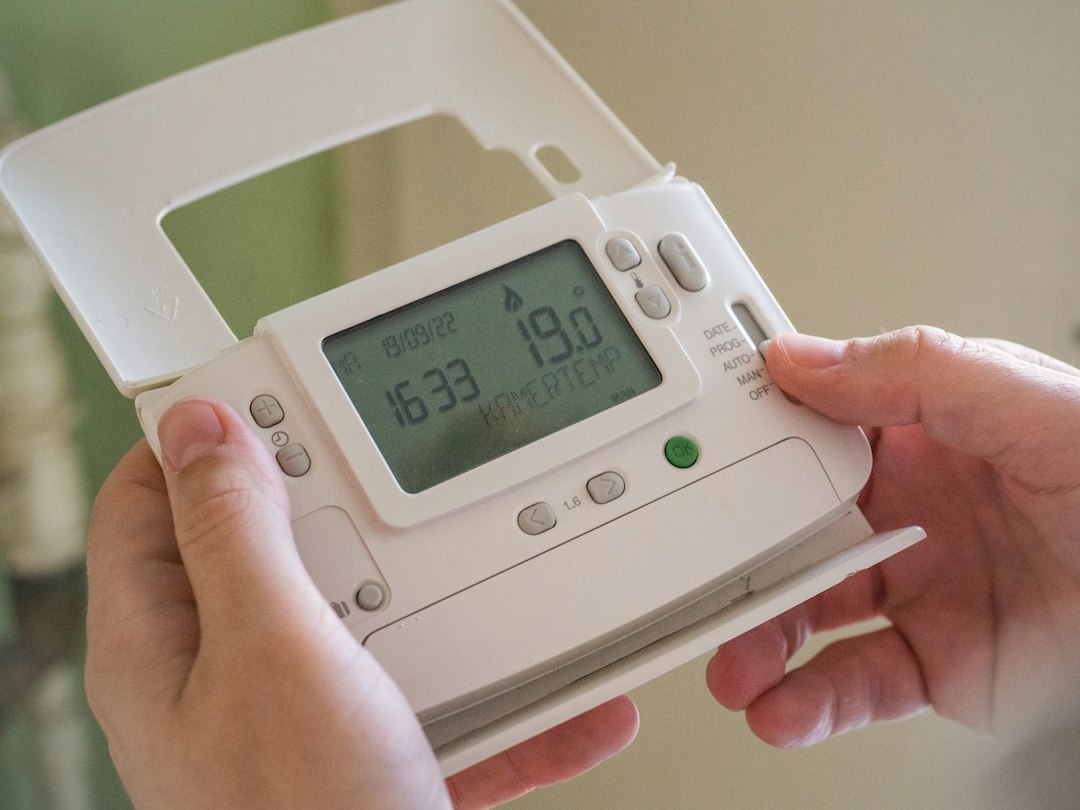
Smart thermostat for more flexible heating control
Control heating around when you actually need it. This example is included as an optional affiliate product.

tado Wireless Smart Thermostat X – Starter Kit with Bridge X and Stand, Boiler and Hot Water Control via App & Smart Speaker (Alexa, Siri, Google Assistant)
Hot water cylinder insulation
Insulation can reduce heat loss from a hot water cylinder, particularly where an existing cylinder is not well insulated.

Plumb Pak INSUL1 Cylinder Jacket, "36"" x 18"""
Door draught excluder
A draught excluder can help reduce cold air coming through gaps around an external door.

Vellure® Premium Door Draft Excluder Strip – Door Seal for Energy Saving – Quick and Easy Installation – Draught Excluder for Bottom of Door – Ideal for…
Official sources
- Ofgem: Changes to the energy price cap, 1 October to 31 December 2026
- Ofgem: Energy price cap unit rates and standing charges
- Ofgem: Energy price cap and standing charges explained
- GOV.UK: Temporary zero rate of VAT for domestic electricity in Great Britain
Official sources: Ofgem and GOV.UK. Last checked: 29 September 2026.