Airbnb bans checkout cleaning chores from 20th November 2026
Last updated: 13th November 2026 · This article has been updated with Airbnb’s latest guidance for hosts, including its listing review process and appeal arrangements.
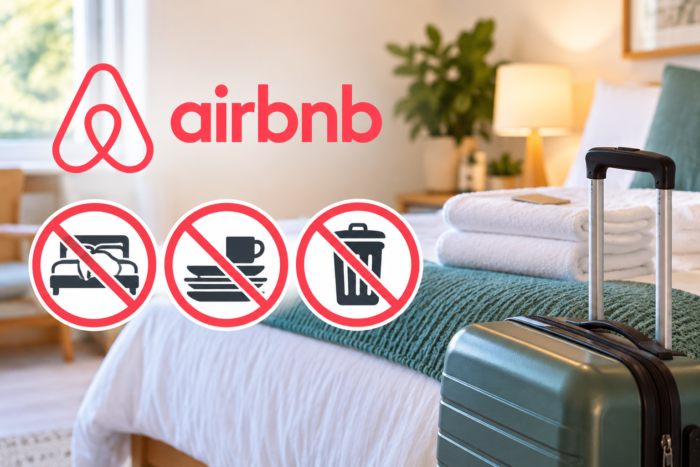
Airbnb checkout cleaning rules are changing to stop hosts requiring guests to carry out demanding checkout chores, such as stripping beds, washing and putting away dishes, or taking rubbish off the property.
In this article
What are the Airbnb checkout cleaning rules?
The Airbnb checkout cleaning rules explain which tasks hosts can and cannot require guests to complete. Hosts can still set reasonable expectations for people staying in their properties, but they generally cannot require guests to complete tasks that involve significant effort or time, or that would normally be carried out by a cleaner.
The change follows complaints from guests about being asked to complete a long list of checkout jobs, sometimes despite also paying a cleaning fee. Airbnb says the updated policy is intended to make house rules clearer and reduce unexpected demands.
The rules apply to Airbnb reservations booked on or after 20th November 2026. The change is part of Airbnb’s own platform policy, rather than a new UK law applying to every holiday accommodation provider.
Which checkout chores are no longer allowed?
Under Airbnb’s policy, hosts generally cannot require guests to:
- Strip the beds and remove the bed linen.
- Wash and put away dishes after their stay.
- Take rubbish off the property to another location.
- Complete other tasks that take significant time or effort, or would typically be done by a cleaner.
The policy focuses on what a host requires guests to do. It does not mean guests can leave a property damaged or ignore reasonable house rules. Guests remain responsible for following the rules that comply with Airbnb’s policy and for treating the accommodation appropriately.
Airbnb checkout chores: what is allowed and what is not?
| Generally not allowed | May be reasonable |
|---|---|
| Strip beds or remove bed linen | Gather used towels |
| Wash, dry and put away dishes | Leave used dishes in the sink |
| Take rubbish off the property | Separate rubbish and recycling into designated indoor bins |
| Do jobs that take significant effort or would usually be done by a cleaner | Turn off appliances and lock up as instructed |
These are general examples, not an exhaustive list. Airbnb says the context of a listing and relevant local circumstances can affect whether a request is reasonable.
What can Airbnb hosts still ask guests to do?
Hosts can continue to make reasonable requests that do not amount to doing the cleaner’s job. Airbnb gives examples such as asking guests to put used dishes in the sink, gather used towels or sort rubbish and recycling into designated indoor bins.
A quick example
Generally not allowed
“Wash, dry and put away all dishes before checkout.”
A reasonable request
“Please leave used dishes in the sink.”
Airbnb says it may consider exceptions based on the circumstances of a particular listing or location. For example, local water restrictions or wildlife-related waste precautions may affect what is reasonable.
When do the Airbnb checkout cleaning rules start?
The updated policy applies to reservations booked on or after 20th November 2026. That wording matters: the start date is based on when the reservation is made, rather than simply the date a guest checks in.
If you are booking a stay after the policy takes effect, check the house rules and checkout requests shown on the listing before confirming your reservation. Airbnb says these details should be disclosed in the designated section of the listing at the time of booking.
What about cleaning fees and extra charges?
The updated policy says hosts generally cannot impose their own fines or other penalties on guests for breaking house rules. If a local authority or homeowners’ association could impose a fine, hosts can explain this in the designated local rules section of the listing.
Damage to the property or belongings is dealt with separately under Airbnb’s existing AirCover process. The ban on host-imposed penalties does not mean guests are exempt from responsibility for damage they cause.
Hosts must not use checkout requests to require work that should normally be done by a cleaner. Airbnb’s policy also says rules and requests must be reasonable and disclosed when the guest books. Hosts cannot add new requirements after booking through private messages, signs inside the property or verbal instructions.
This does not mean Airbnb cleaning fees are being abolished. A cleaning fee can still cover standard cleaning between reservations, such as laundry and vacuuming. However, hosts may not charge a guest a fee or penalty simply for failing to complete a specific checkout chore, such as washing dishes or stripping the bed.
Guests can still be responsible for reasonable costs if they cause damage, leave excessive mess requiring deep cleaning, or cause unexpected cleaning costs. The distinction is between ordinary cleaning that hosts arrange between stays and extra costs arising from damage or unusually poor condition.
What should Airbnb guests do?
- Before booking: read the listing’s house rules and checkout requests, and check the total price, including any cleaning fee.
- From 20th November 2026: remember that the new policy applies to reservations made on or after that date.
- If a host asks for an excessive chore: compare the request with Airbnb’s published policy and contact Airbnb support if needed.
- Keep a record: save the listing details and any messages about checkout requirements if you need to query a request.
The practical takeaway is simple: guests may still be asked to leave a property in a reasonable condition, but Airbnb’s updated policy draws a line at demanding chores that take significant effort or would usually be done by a cleaner.
How do the new Airbnb checkout rules affect hosts?
Hosts should review their listing’s house rules and checkout instructions before the new policy takes effect. All rules and requests must be reasonable and disclosed in the designated section of the listing when a guest books. Hosts cannot introduce new checkout requirements afterwards through messages, signs in the property or verbal instructions.
One important change to the way checkout instructions are organised: Airbnb has made “Lock up at checkout” a standard house rule. Hosts can add other reasonable checkout instructions, such as turning off appliances, under “Additional rules” in the “Before checkout” section. The previous “Requests” label is being replaced by “Additional rules”.
What happens if a host’s existing rules do not comply?
Airbnb has clarified how it will deal with existing listings that contain rules which may breach the new policy. Initial reviews will begin on 20th November 2026 and continue until March 2027. Airbnb will then review listings on an ongoing basis.
If Airbnb identifies an additional rule that does not meet its policy, it will notify the host by email and through the Airbnb app. The host will have at least 20 days to amend the rule or submit an appeal explaining why it is necessary for their particular property or circumstances.
Hosts can appeal using the link in Airbnb’s notification or the “Required action” card in the Listing editor. They must explain why the rule is needed and can upload supporting evidence, such as photographs, a local regulation or a homeowners’ association rule. Airbnb says hosts can submit an appeal only once, so they should check their explanation and evidence carefully before sending it.
Airbnb says it may consider the type of listing and relevant local circumstances, including local laws, when deciding whether a rule is reasonable. Hosts who believe a rule is necessary should use the appeal process and explain the specific reason for it.
Can Airbnb hosts require rental agreements or guest ID?
Airbnb is also restricting when hosts can ask guests to sign a separate contract or provide personal information. Under the policy applying to reservations booked from 20th November 2026, hosts generally cannot require a separate rental agreement or collect details such as a passport image, driving licence copy, email address or phone number.
There are limited exceptions. A contract may be allowed where it is required by law, a homeowners’ association or building security rules, or the host’s insurance provider. Contracts may also be permitted for monthly stays of 28 nights or more, Airbnb Luxe listings and access to certain optional amenities, such as a golf buggy. Any permitted contract must be disclosed in the listing before booking and uploaded to the Contracts section of the listing settings. Airbnb does not enforce these contracts or require guests to sign them.
Hosts may physically check a guest’s ID at check-in if this requirement is disclosed in the listing’s Additional rules. However, they generally cannot keep a physical or digital copy. Limited exceptions apply where collecting information is necessary to meet legal or documented community requirements. Hosts also cannot normally require guests to register on a separate website or app to access the property or an essential amenity. An alternative access method must be available if a keyless entry app is used.
Where will guests see Airbnb house rules?
Airbnb is making house rules more visible so guests can understand the requirements before committing to a booking. Guests can see the rules on the listing before booking, in the Trips tab and in reservation reminders. Hosts can also use a pre-written quick reply in Airbnb messages to remind guests of the rules during their stay.
Guests are expected to follow the house rules shown on the listing. If a guest breaks a house rule during their stay, or tells the host before check-in that they intend to break one, Airbnb says the host can cancel the reservation without fees or other consequences. Airbnb may also suspend or remove guests who violate its policies.
Frequently asked questions
Can Airbnb hosts still ask guests to wash dishes?
Hosts generally cannot require guests to wash and put away dishes. They may still ask guests to put used dishes in the sink.
Do Airbnb guests still have to strip the beds?
Under the updated policy, hosts generally cannot require guests to strip the beds as a checkout chore.
Can Airbnb hosts ask guests to take the rubbish out?
Hosts generally cannot require guests to take rubbish off the property. They may ask guests to sort rubbish and recycling into designated indoor bins.
When do Airbnb’s new checkout rules take effect?
The policy applies to reservations booked on or after 20th November 2026.
Does this mean Airbnb cleaning fees are banned?
No. The policy does not remove every cleaning fee. Guests should check the total price and details shown before booking.
Can a host add checkout rules after I have booked?
Airbnb says house rules and requests must be disclosed in the designated listing section at the time of booking. Hosts cannot add new requirements afterwards through messages, signs or in person.
Can Airbnb hosts require guests to sign a rental agreement?
Generally, no. From 20th November 2026, separate contracts are only permitted in limited circumstances, such as legal or insurance requirements, monthly stays of 28 nights or more, Airbnb Luxe listings or certain optional amenities.
Can an Airbnb host ask to see my passport or driving licence?
A host may check your ID in person at check-in if this is disclosed in the listing, but generally cannot keep a copy. There are limited exceptions where information is required by law or documented community rules.
Do these rules apply to every holiday let website?
No. This is Airbnb’s platform policy. It should not be treated as a general law applying to every holiday rental company or independent accommodation provider.
Official information and sources
Last checked: 13th November 2026
Airbnb’s official policy and its updated Resource Center guidance are the primary sources for the new requirements, the listing review process and how hosts can appeal. News reports provide additional context.
Airbnb: Important changes to house rules
Updated on 3rd November 2026, this guidance explains the review timetable, host notifications, the minimum 20-day response period and the appeal process.
Airbnb: Reasonable house rules and requests
The official policy explains the new requirements, examples of unreasonable chores and the rules for disclosing requests before booking.
Euronews: Airbnb bans checkout chores
Independent reporting on the policy change and examples of chores that guests can no longer be required to complete.
The Verge: Airbnb bans checkout chores
The Verge reports on Airbnb’s updated policy, including the examples of chores hosts can no longer require and the policy’s start date.
Airbnb’s policy may allow exceptions in particular circumstances. Check the official policy for the latest wording and contact Airbnb directly if you need help with a specific booking.