

Lifelong Learning Entitlement Starts for Courses and Modules From 1st January 2027
The Lifelong Learning Entitlement (LLE) is the new student finance system for eligible courses and modules starting on or after 1st January 2027 in England. It brings together funding that was previously provided through higher education student finance and Advanced Learner Loans for eligible Level 4, 5 and 6 study.
The new system is designed to give people more flexibility over how they study, including the option of using funding for some individual modules as well as full courses.
Change at a glance
Last checked: 29th September 2026
Change takes effect: 1st January 2027
Where: England
Who is affected: New and returning learners taking eligible courses or modules in England from 1st January 2027.
What is changing: The Lifelong Learning Entitlement becomes the main student finance route for eligible higher and further education study covered by the new system.
What is the Lifelong Learning Entitlement?
The LLE creates a single funding system for eligible post-18 study. From 1st January 2027, most eligible courses and modules at Levels 4 to 6, along with some Level 7 courses, will use LLE funding rather than the previous higher education student finance arrangements.
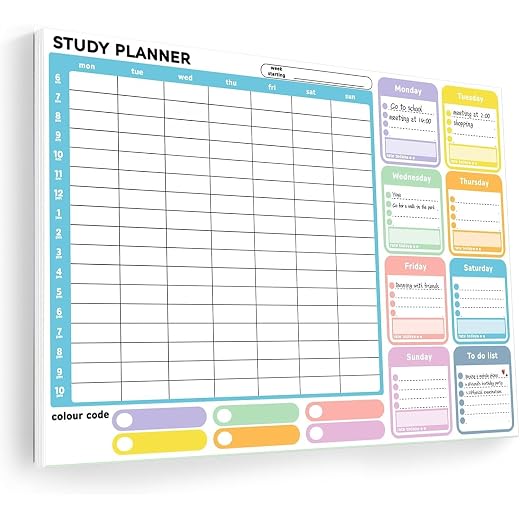
A4 Study & Revision Planner Pad
A4 Study & Revision Planner Pad: this tear-off planner has 52 weekly sheets for organising study, revision, work and other tasks, giving learners a simple way to plan regular learning around existing commitments.
Affiliate link. We may earn a commission if you buy through this link, at no extra cost to you.
Eligible learners may be able to receive a Tuition Fee Loan and, where the rules allow, a Maintenance Loan or other targeted support. The exact support available depends on the course, credits studied, previous study, age and other eligibility requirements.
Who can use the new system?
The LLE is available to new learners and to people returning to higher-level study. Eligibility depends on factors including the course, provider, number of credits, previous study, nationality and residency and age.
Tuition loan support is available to eligible learners up to age 60 at the start of their course. People aged 60 or over may still qualify for some maintenance support but generally will not qualify for a tuition fee loan.
The LLE follows existing higher education nationality and residency rules. Students who normally live in Scotland, Wales or Northern Ireland use different student finance arrangements.
Sponsored
Looking to build new skills?
If you’re using this period of change to think about learning or developing your skills, SpeakBrit offers live online English courses for children, teens and adults.
What can the LLE fund?
The new system covers most eligible qualifications at Levels 4 to 6 and some Level 7 courses. Examples include bachelor’s degrees, foundation degrees, Higher Technical Qualifications, some postgraduate qualifications such as PGCEs and integrated master’s degrees, and some courses previously funded through Advanced Learner Loans.
Funding is also being introduced for some individual modules. At launch, this includes modules from Higher Technical Qualifications and certain Level 4, 5 and 6 modules from full Level 6 qualifications in subject areas linked to priority skills gaps and the government’s industrial strategy.
Module funding is subject to conditions. Eligible modules generally need to be part of an existing designated full course, be worth at least 30 credits or form a bundle of at least 30 credits from the same parent course, and meet other requirements around qualification level, assessment and transcripts.
How much funding is available?
A new learner can have a total tuition fee loan entitlement of up to £39,160 under the current rates. This is based on four years of full-time study at the maximum tuition fee rate for the 2026 to 2027 academic year. The entitlement can be used across more than one course, subject to the rules.
Learners can draw down funding for up to 180 credits in an academic year. Previous government-supported study can reduce the amount of entitlement available to a returning learner.
The £39,160 figure is based on current rates and can change in future. It should not be treated as a cash payment that every learner receives. Tuition Fee Loans are used to help cover eligible tuition costs.
What about living costs?
Eligible learners may also qualify for a Maintenance Loan to help with living costs. From January 2027, maintenance support will be available for designated in-person courses and modules, subject to the eligibility rules. Distance learning remains outside maintenance support under the arrangements carried forward from the current system.
Some learners may also qualify for targeted grants or allowances, for example where they have children, are disabled or have particular financial circumstances. These forms of support have their own eligibility rules.
What happens to Advanced Learner Loans?
The LLE replaces Advanced Learner Loans for eligible Level 4, 5 and 6 study from 1st January 2027. This does not mean that every further education course moves into the LLE. The qualification, course and provider must meet the relevant rules.
There are also transitional arrangements. Level 4 to 6 courses at providers that are not registered with the Office for Students can continue to use extended Advanced Learner Loan funding under the arrangements set out by the Department for Education.
What about people already studying?
If you already have funding through the existing higher education student finance system for a course that started before 1st January 2027, you continue to receive funding for that course through the existing system.
The new LLE therefore mainly changes the funding route for courses and modules beginning from 1st January 2027 rather than moving every existing student onto the new system.
When can students apply?
Applications for LLE funding open from the end of October 2026 for courses and modules starting on or after 1st January 2027. GOV.UK explains how to apply for LLE funding.
Students will need to apply for each course or module for which they want funding. The application deadlines depend on when the course or module begins.
Does this apply across the UK?
No. The Lifelong Learning Entitlement is an England-only student finance system. If you normally live in Scotland, Wales or Northern Ireland, there are different arrangements for student finance.
If you are considering an English course while normally living elsewhere in the UK, check your eligibility and the appropriate funding route with the relevant student finance authority.
Looking to learn something new?
If you are interested in building new skills alongside work or other commitments, Learning 24/7 offers online learning across a range of subjects.
Sponsored
What to do now
If you are considering starting eligible study from January 2027, check the course and provider’s LLE eligibility, review your previous study because it can affect your remaining entitlement, and check the official student finance guidance before applying.
Information note: This article provides general information based on official guidance available when checked. Student finance rules and funding rates can change, and individual eligibility depends on your circumstances. Check the latest GOV.UK guidance before making a funding application.
Official guidance: Lifelong Learning Entitlement: what it is and how it will work and Student finance for courses starting on or after 1st January 2027.